
Introduction
Installing CCTV cameras in Dubai is not only about improving security but also about following a clear legal framework designed to protect privacy and public safety. Many property owners focus on camera quality and placement but overlook the legal responsibilities that come with surveillance. This can lead to serious consequences, including fines, forced removal of cameras, or legal disputes. Understanding the legal rules is essential for anyone planning CCTV Installation in Dubai, whether for a home, office, retail space, or industrial property.
Dubai’s CCTV laws aim to balance two important priorities: effective security and respect for personal privacy. Cameras are allowed and encouraged in many environments, but only when installed and used responsibly. The rules define where cameras can be placed, how footage should be stored, who can access recordings, and how long data can be retained. Knowing these rules before installation helps avoid mistakes that are difficult and costly to correct later.
In this blog, you will learn the legal requirements for installing CCTV cameras in Dubai, where cameras are permitted and restricted, how footage must be handled, and the responsibilities of property owners after installation.
Why CCTV Laws Exist in Dubai
CCTV laws in Dubai exist to ensure surveillance systems are used for genuine security purposes rather than misuse or invasion of privacy. Cameras can record people’s movements, behaviors, and interactions, which makes regulation necessary. Without legal oversight, CCTV systems could be abused, leading to ethical and legal problems.
The regulations help standardize security practices across the city. By enforcing rules on camera placement, data storage, and access control, authorities ensure that CCTV systems support crime prevention while protecting individual rights. These laws also help law enforcement rely on surveillance footage that meets proper standards. Understanding the intent behind CCTV laws makes it easier to follow them correctly and responsibly.
Properties Required to Follow CCTV Regulations
Most commercial and public-facing properties in Dubai are required to comply with CCTV regulations. This includes offices, retail stores, restaurants, hotels, warehouses, schools, and healthcare facilities. These environments involve regular public access, making surveillance both necessary and regulated.
Residential properties are also subject to rules, especially when cameras cover shared areas such as building entrances, parking zones, or corridors. Cameras that capture public spaces or neighbouring properties are closely regulated and often restricted. Knowing whether your property falls under regulated categories helps determine your legal obligations before installation.
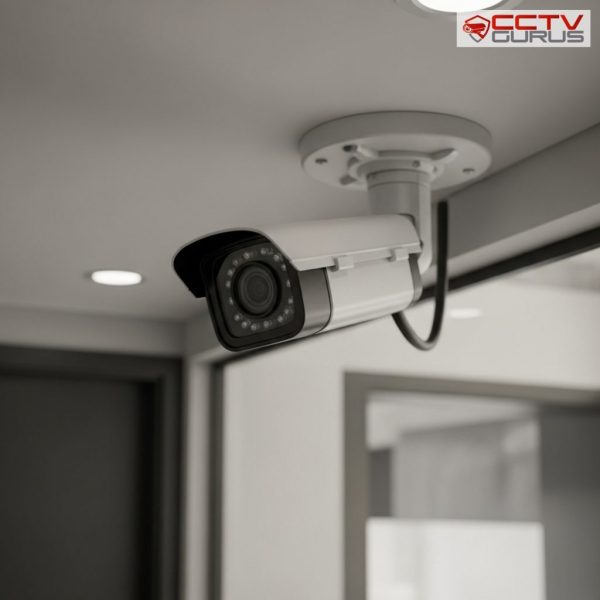
Where CCTV Cameras Are Legally Allowed
CCTV cameras are legally allowed in areas where there is a legitimate security need. Entrances, exits, reception areas, parking lots, and operational zones are generally acceptable locations. These areas help monitor access and protect assets without infringing on personal privacy.
In workplaces, cameras may be installed in common areas, but should not interfere with employee privacy. Clear signage is often required to inform people that surveillance is in place. Transparency plays an important role in compliance. Proper placement ensures cameras serve security goals while respecting legal boundaries.
Restricted and Prohibited Camera Locations
Certain areas are strictly restricted or prohibited for CCTV installation. Cameras must not be installed in private spaces such as bathrooms, changing rooms, prayer areas, or any location where individuals expect complete privacy. Recording such areas is a serious legal violation.
Cameras must also avoid capturing neighbouring properties or public spaces unnecessarily. If unavoidable, privacy masking features should be used to block restricted views. Failure to do so may result in legal action. Understanding restricted zones prevents accidental violations and protects property owners from penalties.
Legal Requirements for Camera Visibility and Signage
Dubai regulations emphasize transparency in surveillance. Properties using CCTV systems are often required to display clear signage indicating that cameras are in operation. These signs inform visitors, employees, and residents about surveillance activity.
Hidden cameras are generally discouraged unless specifically justified for security reasons and approved by authorities. Visible cameras act as both a deterrent and a compliance measure. Clear signage supports legal compliance and builds trust with occupants and visitors.

Footage Recording, Storage, and Retention Rules
Legal rules in Dubai also govern how CCTV footage is recorded and stored. Retention periods may vary depending on property type and security requirements. Footage should not be kept longer than necessary unless required for investigation or compliance.
Storage systems must be secure and protected from unauthorized access. Digital recordings should be safeguarded using passwords, access controls, and secure networks. Systems integrated with Data Networking often provide enhanced data protection. Following storage and retention rules ensures responsible handling of recorded data.
Who Is Allowed to Access CCTV Footage
Access to CCTV footage must be limited to authorized individuals only. Property owners or designated security personnel are typically responsible for managing access. Sharing footage without proper authorization can lead to legal consequences.
In some cases, footage may be requested by authorities for investigation purposes. Property owners are expected to cooperate while ensuring data integrity. Unauthorized sharing on social media or with third parties is strictly prohibited. Clear access policies protect both legal compliance and privacy rights.
Responsibilities of Property Owners After Installation
Legal responsibility does not end after cameras are installed. Property owners must ensure systems remain compliant over time. This includes maintaining equipment, updating configurations, and ensuring cameras have not shifted to capture restricted areas.
System expansions or changes may require reassessment of compliance.
Adding new cameras or integrating with other systems should be reviewed carefully. Properties using Structured Cabling often find compliance easier due to an organized infrastructure. Ongoing responsibility is a key part of legal CCTV operation.
Integration With Other Security Systems Under Legal Guidelines
CCTV systems often integrate with other security technologies such as alarms and access control. Integration is allowed, but it must comply with legal guidelines. Systems linked with the Access Control System must ensure that event recordings are justified and secure.
Integration with the Audio Visual System for monitoring rooms must also respect access restrictions. Only authorized personnel should view live feeds or recordings. Legal compliance extends to all integrated components of the security system.
Common Legal Mistakes to Avoid
One common mistake is installing cameras before understanding legal requirements. This often leads to repositioning or removal later. Another mistake is failing to update compliance after renovations or system upgrades.
Poor documentation and lack of access controls also create legal risk. Property owners sometimes allow unrestricted access to footage, which violates privacy rules. Avoiding these mistakes protects both security objectives and legal standing.
Penalties for Non-Compliance
Failure to follow CCTV laws in Dubai can result in serious consequences. Authorities may impose fines, issue warnings, or order the removal of non-compliant cameras. In severe cases, legal action may be taken.
Non-compliance also increases liability risk in disputes or incidents. Footage obtained illegally may not be admissible or could expose property owners to legal challenges. Compliance protects both your system and your reputation.
Role of Professional CCTV Installers in Legal Compliance
Professional installers play a vital role in ensuring legal compliance. Experienced providers understand regulations and design systems accordingly. They handle camera placement, documentation, and integration with legal standards in mind.
Working with experts reduces the risk of errors and simplifies approval processes. Professional guidance ensures long-term compliance rather than temporary fixes. Choosing the right installer is an important legal decision.
Conclusion
Legal rules for installing CCTV cameras in Dubai are designed to support security while protecting privacy. From camera placement and signage to footage storage and access control, each requirement plays a role in responsible surveillance. Understanding and following these rules prevents penalties and ensures your system operates within the law.
When working with Trusted CCTV Installation in Dubai, legal compliance becomes part of a complete security strategy. Professional planning, proper documentation, and ongoing system management ensure your CCTV system remains effective, ethical, and legally sound over time.