
Introduction
Installing CCTV cameras in Dubai is not only a security decision but also a regulated activity that requires proper approvals. Many property owners assume that installing cameras is purely a technical task, but in Dubai, surveillance systems are governed by specific legal and compliance frameworks. Failing to obtain the correct CCTV license can lead to fines, forced removal of cameras, or legal complications. This makes licensing a critical step for anyone planning a professional security setup, especially those working with CCTV Installation in Dubai, where adherence to local regulations is mandatory.
Dubai’s CCTV regulations are designed to balance security needs with privacy protection. Authorities want to ensure that surveillance systems are installed responsibly, used ethically, and maintained securely. Whether you are a homeowner, business owner, or property manager, understanding the licensing process helps you avoid delays and ensures your system is compliant from day one. Proper licensing also adds credibility to your security setup and protects you from future disputes or enforcement actions.
In this blog, you will learn who needs a CCTV license in Dubai, which authority issues approvals, the step-by-step licensing process, required documents, common mistakes to avoid, and how professional installers simplify compliance. The blog also explains how licensing connects with system design, integration, and long-term security management.
Why CCTV Licensing Is Mandatory in Dubai
CCTV licensing is mandatory in Dubai because surveillance systems directly impact public safety and individual privacy. Cameras record people’s movements, activities, and in some cases, sensitive areas. Without regulation, misuse or poor installation could create legal and ethical issues. Licensing ensures that cameras are installed only where necessary and used for legitimate security purposes.
The licensing framework also helps authorities maintain consistent security standards across residential, commercial, and public spaces. Licensed systems follow guidelines related to camera placement, recording retention, and data protection. This consistency supports crime prevention while respecting privacy laws. Understanding why licensing exists helps property owners appreciate its importance rather than viewing it as an administrative burden.
Who Needs a CCTV License in Dubai
Not everyone requires the same level of CCTV approval, but many properties do fall under licensing requirements. Commercial properties such as offices, retail stores, warehouses, hotels, and restaurants almost always require CCTV licensing. These environments involve public access and higher security risks.
Residential properties may also require approval depending on camera placement and coverage. Cameras that monitor common areas, building entrances, or shared facilities often fall under regulation. Cameras that intrude into public spaces or neighbouring properties are strictly controlled. Knowing whether your property requires licensing is the first step in compliance.
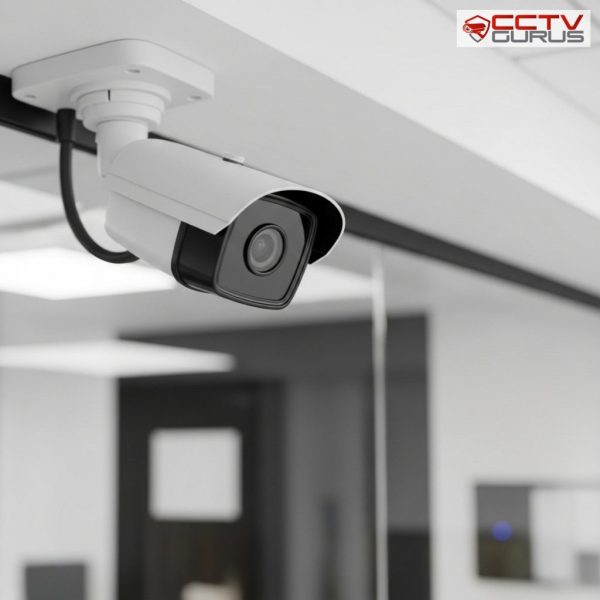
Authorities Responsible for CCTV Licensing
CCTV licensing in Dubai is typically governed by relevant security authorities and local regulations. In many cases, approval is linked to Dubai Police guidelines and associated security frameworks. The authority ensures that systems meet technical standards and legal requirements.
For commercial properties, CCTV approval is often tied to business licensing and building compliance. Developers, facility managers, and business owners must coordinate with approved security providers to meet requirements. Understanding the role of authorities helps streamline the approval process and avoid unnecessary delays.
Step-by-Step CCTV Licensing Process
The CCTV licensing process follows a structured path designed to verify system compliance. It begins with assessing your property’s security needs and determining camera coverage areas. This assessment ensures cameras are justified and positioned correctly.
Next, a system design is prepared, outlining camera locations, recording devices, storage duration, and access controls. This design is submitted as part of the approval request. Authorities review whether the proposed system meets regulatory standards. Once approved, installation can proceed, followed by final inspection or verification if required. Completing each step carefully ensures smooth approval.
Required Documents for CCTV License Application
Applying for a CCTV license requires proper documentation. Common documents include property details, business licenses for commercial properties, system layout drawings, and installer credentials. These documents demonstrate that the system is planned professionally.
Technical details such as camera specifications, recorder type, and storage capacity may also be required. Authorities want to confirm that the equipment meets quality and security standards. Submitting complete and accurate documents reduces approval time and prevents rejections.

Camera Placement Rules and Compliance Guidelines
Camera placement is one of the most critical aspects of CCTV licensing. Cameras must focus on security-relevant areas such as entrances, exits, and operational zones. Recording public spaces unnecessarily or capturing private areas without justification is not allowed.
Authorities may restrict camera angles to avoid capturing neighboring properties or sensitive locations. Masking features are often required to block restricted views. These guidelines protect privacy while maintaining security effectiveness. Following placement rules ensures your system remains compliant throughout its operation.
Recording, Storage, and Data Protection Requirements
Licensing regulations also cover how footage is recorded, stored, and accessed. Retention periods may be defined based on property type and risk level. Storing footage for too short or too long without justification may violate guidelines.
Access to recordings must be restricted to authorized personnel only. Systems should include user access controls and audit logs. Integrations with Data Networking often help secure data transmission and storage. Data protection compliance is a core part of CCTV licensing.
Role of Professional Installers in Licensing
Professional CCTV installers play a key role in simplifying the licensing process. Licensed installers understand regulatory requirements and design systems accordingly. This reduces the risk of rejection or future compliance issues.
Installers experienced in Structured Cabling ensure infrastructure meets technical standards, which supports approval. They also handle documentation, drawings, and coordination with authorities. Choosing professional support saves time and ensures regulatory confidence.
Integration With Other Security Systems
CCTV licensing also considers system integration. Cameras connected with the Advanced Access Control System must comply with event recording and monitoring standards. Integration improves security but must be documented clearly.
Similarly, environments using Complete Audio Visual System Integration for monitoring displays must ensure access controls and visibility rules are followed. Integration should enhance security without increasing privacy risk. Clear integration planning supports smoother licensing approval.
Common Mistakes That Delay CCTV Approval
One common mistake is installing cameras before approval. Authorities may require changes or removal if the system does not meet guidelines. Another mistake is incomplete documentation, which leads to repeated revisions.
Improper camera placement is also a frequent issue. Cameras capturing restricted views often require repositioning. These mistakes increase cost and delay activation. Avoiding these errors saves time and ensures faster approval.
Maintaining Compliance After Licensing
Obtaining a CCTV license is not the end of compliance. Systems must continue to operate within approved parameters. Changes to camera placement, system expansion, or integration may require re-approval.
Regular maintenance ensures equipment remains functional and compliant. Updating firmware, replacing components, or expanding coverage should always consider regulatory impact. Ongoing compliance protects you from penalties and operational disruption.
Conclusion
Getting a CCTV license in Dubai is a structured process designed to ensure security systems are effective, ethical, and legally compliant. From understanding who needs approval to following placement and data protection guidelines, each step plays a role in responsible surveillance. Proper planning, accurate documentation, and professional installation make the process straightforward and predictable.
When working with Trusted CCTV Installation in Dubai, licensing becomes part of a complete security solution rather than an obstacle. Professional guidance ensures your CCTV system is approved, compliant, and reliable, allowing you to focus on safety and operations with confidence.