
Introduction
Selecting a CCTV camera system is no longer a simple decision based on price or camera count. With advances in surveillance technology and rising security expectations, homes and businesses now require systems that deliver clarity, reliability, and long-term performance. In a city like Dubai, where residential and commercial environments vary significantly, selecting the wrong system can result in blind spots, poor footage, and unnecessary upgrades. This makes CCTV Installation a process that begins with informed decision-making rather than equipment selection alone.
A well-chosen CCTV system supports safety, accountability, and operational awareness. It must adapt to the property layout, usage patterns, and future growth. Many property owners invest in cameras without fully understanding system requirements, only to realize later that coverage gaps or compatibility issues limit effectiveness. Choosing the right system from the start ensures security objectives are met without costly corrections.
In this blog, the focus is on understanding how to choose the right CCTV camera system for both homes and businesses, what factors truly matter during the selection process, and how planning ahead ensures long-term reliability and optimal performance.
Understanding Your Security Requirements
The first step in selecting a CCTV system is understanding what you want to protect. Residential properties typically focus on entry points, perimeters, and shared spaces, while businesses require broader coverage across work areas, storage zones, and customer-facing locations.
Security needs are shaped by:
- Property size and layout
- Number of entry and exit points
- Level of daily activity
- Lighting conditions
- Risk exposure
Without this assessment, camera selection becomes guesswork. A small villa may require fewer cameras with wider viewing angles, while a retail store may need detailed coverage for transaction areas and stock rooms.
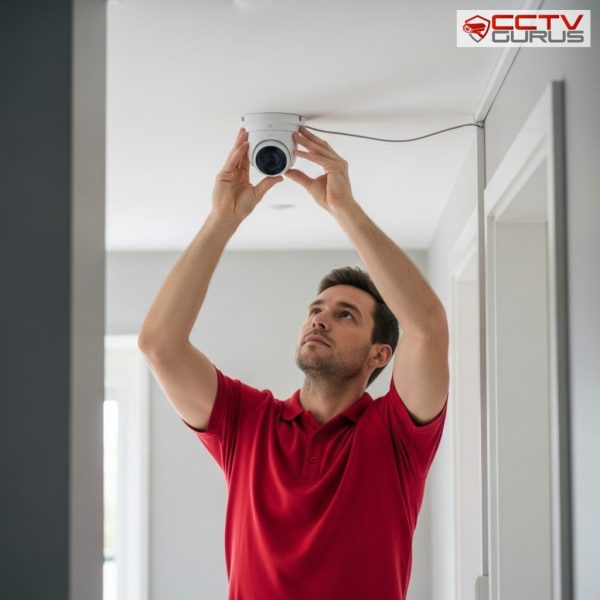
Choosing Between Residential and Commercial Systems
Residential and commercial CCTV systems differ in both design and capability. Home systems prioritize simplicity, privacy, and ease of use. Business systems, on the other hand, focus on continuous operation, scalability, and integration with other security components.
Commercial environments often benefit from systems that work alongside access control systems and audio-visual setups. These integrations improve monitoring and incident response, especially in offices, warehouses, and retail spaces. Choosing a system designed for the intended environment avoids performance limitations.
Camera Types and Their Use Cases
CCTV cameras are available in several formats, each suited for specific applications. Dome cameras offer discreet coverage and are commonly used indoors. Bullet cameras provide long-range visibility and are effective for outdoor monitoring. PTZ cameras allow remote control and wide-area surveillance, making them ideal for large properties.
The right camera type depends on viewing distance, angle requirements, and environmental exposure. Selecting cameras without considering these factors often leads to ineffective coverage or unnecessary upgrades.
Resolution and Image Quality Considerations
Image quality determines whether surveillance footage is usable. Higher resolution cameras capture more detail, but resolution alone is not enough. Lens quality, lighting conditions, and camera positioning all affect clarity.
For businesses, clear footage supports investigations and dispute resolution. For homes, it ensures accurate identification of visitors and incidents. Choosing appropriate resolution levels based on monitoring needs prevents overspending while maintaining effectiveness.
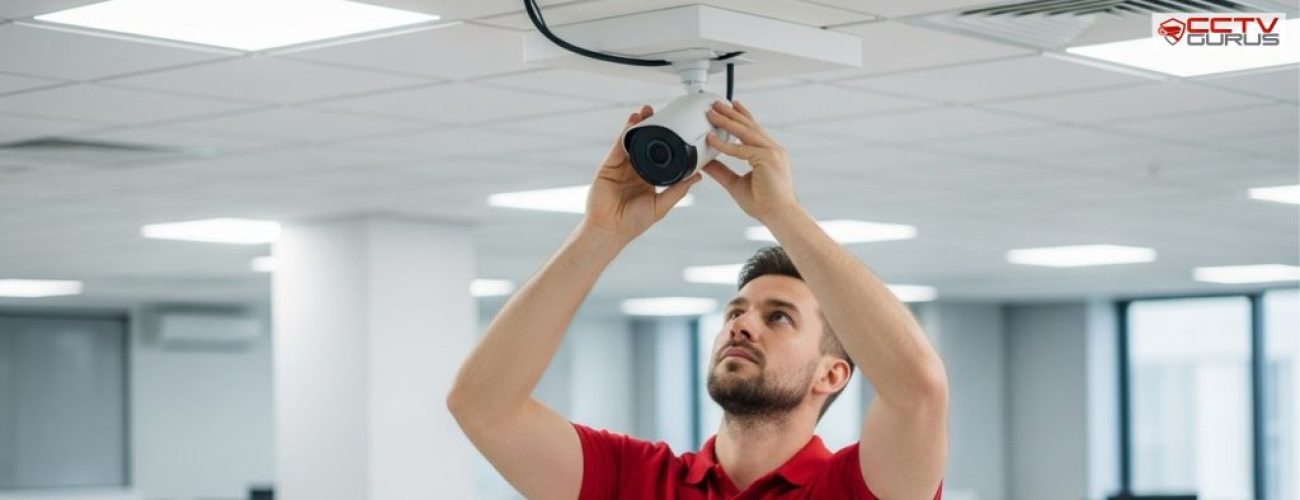
Indoor and Outdoor Environment Differences
Indoor and outdoor surveillance environments present different challenges. Outdoor cameras must withstand heat, dust, and weather conditions common in Dubai. They also require night vision and glare resistance.
Indoor cameras focus more on aesthetics, field of view, and lighting consistency. Selecting cameras designed specifically for their environment ensures durability and consistent performance.
Storage and Data Management Needs
CCTV systems generate large volumes of data. Storage capacity must match recording duration, resolution, and camera count. Some properties require short retention periods, while others need extended storage for compliance or operational reasons.
Professionally planned systems balance storage needs with performance. Secure storage solutions protect footage from unauthorized access and data loss. This becomes especially important for businesses managing sensitive information.
Network Stability and System Performance
Modern CCTV systems rely heavily on data networking. Poor network design can cause lag, dropped feeds, or system crashes. Homes may rely on shared networks, while businesses often require dedicated network configurations.
Professional planning ensures the network supports surveillance traffic without disrupting other operations. Stable connections maintain real-time monitoring and remote access reliability.
Integration With Broader Security Infrastructure
CCTV systems perform best when integrated into a broader security framework. Access control systems enhance monitoring by linking camera footage to entry and exit activity. Audio-visual solutions support real-time communication during security events. These integrations improve response speed and situational awareness. Selecting a system that supports integration avoids compatibility issues later.
Scalability for Future Expansion
Security needs change over time. A system that fits today’s requirements may become insufficient as properties expand or operations grow. Choosing scalable systems allows additional cameras, storage, or integrations without replacing existing infrastructure.
Planning for scalability protects the initial investment and supports long-term growth.
Ease of Use and System Management
A CCTV system should be easy to manage. Complex interfaces or unreliable software reduce usability. Home users benefit from intuitive mobile access, while businesses require centralized control and reporting capabilities. Choosing systems with user-friendly management tools improves adoption and ensures consistent monitoring.
Importance of Professional System Design
Selecting the right CCTV system is not just about hardware. Professional system design aligns equipment choices with security goals, environmental conditions, and compliance requirements. Experts evaluate property-specific challenges and recommend configurations that deliver consistent performance. This approach minimizes trial-and-error installations and ensures reliable results.
Common Mistakes to Avoid During Selection
Many property owners focus on price alone, overlooking system compatibility and long-term costs. Others select cameras without considering lighting or coverage needs. These mistakes often lead to poor performance and repeated upgrades. Professional guidance helps avoid these pitfalls by aligning system selection with real-world requirements.
Why Planning Matters More Than Equipment
Even the most advanced cameras fail when installed without planning. Proper assessment, design, and configuration determine success. Planning ensures systems work together seamlessly and deliver usable footage consistently. This structured approach separates effective surveillance from ineffective monitoring.
Conclusion
Choosing the right CCTV camera system requires more than selecting cameras from a catalog. It demands careful evaluation of property needs, environmental conditions, network stability, and future scalability. From residential setups to complex commercial environments, proper system selection ensures reliability, clarity, and long-term value. When approached strategically, CCTV Installation in Dubai becomes a process that delivers security confidence, operational efficiency, and dependable protection for years to come.