
Introduction
One of the most important yet often overlooked questions about surveillance systems is what happens when the power goes out. Many property owners assume that CCTV cameras continue recording regardless of electrical supply, while others worry that a short power failure makes the entire system useless. In reality, CCTV systems are heavily dependent on electricity, and understanding this dependency is essential when planning reliable security coverage, especially for properties that rely on Best CCTV Installation in Dubai to maintain continuous protection.
Electricity powers every core component of a CCTV system, from cameras and recording devices to monitors and network equipment. Without power, even the most advanced surveillance setup cannot function. However, this does not mean CCTV systems are helpless during outages. With the right planning and backup solutions, security monitoring can continue even when the main power supply is interrupted.
This blog explains clearly whether CCTV works without electricity, what stops functioning during outages, and which power backup options help maintain surveillance continuity. It is written to remove confusion and help property owners make informed decisions about system reliability.
Why CCTV Systems Depend on Electricity
CCTV systems are electronic by design. Cameras require power to operate image sensors, lenses, and internal processors. Recording devices need electricity to receive signals, process footage, and store data. Even basic monitoring setups rely on powered displays or interfaces.
When electricity is lost, cameras stop capturing footage, recorders shut down, and live monitoring becomes unavailable. This dependency applies to both small residential systems and large commercial installations.
The difference lies not in whether systems stop working, but in how quickly they recover and whether backup power solutions are in place. Understanding this dependency helps property owners realize that power planning is as important as camera selection or placement.
What Happens to CCTV Systems During a Power Outage
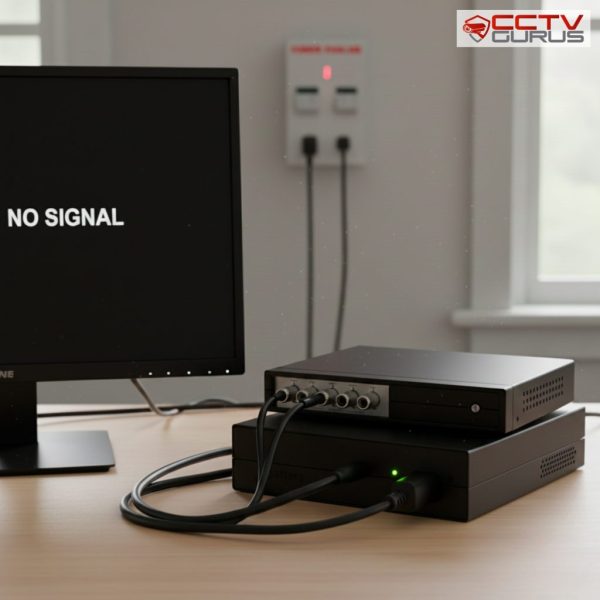
When a power outage occurs, most CCTV systems shut down immediately. Cameras stop recording, recording devices power off, and any active monitoring ends. If the outage lasts longer than a few minutes, surveillance gaps are created where no footage is captured.
Once power is restored, systems typically restart automatically. However, reboot time varies depending on system size and configuration. During this restart period, recording may still be unavailable. This is why relying solely on main electricity without backups can leave properties vulnerable during outages, especially in locations where power interruptions are common.
Do CCTV Cameras Record Anything Without Power?
Without electricity, CCTV cameras cannot record video or audio. There is no internal power reserve in standard cameras that allows continued operation during outages. Recording resumes only when power is restored.
Some users confuse battery-powered consumer cameras with professional CCTV systems. While small battery-based cameras exist, they are not designed for continuous surveillance and are limited in storage and reliability. For consistent security, professional systems rely on external backup power solutions rather than internal batteries.
Power Backup Solutions That Keep CCTV Running
To ensure CCTV systems continue operating during power outages, backup power solutions are used. These solutions provide temporary electricity when the main supply fails, allowing cameras and recorders to keep functioning.
The most common power backup options include:
- Uninterruptible power supplies (UPS) that provide short-term backup
- Battery systems that support longer outages
- Generator integration for extended power loss scenarios
Each option serves a different purpose depending on outage frequency and duration.
How UPS Systems Support CCTV During Short Outages
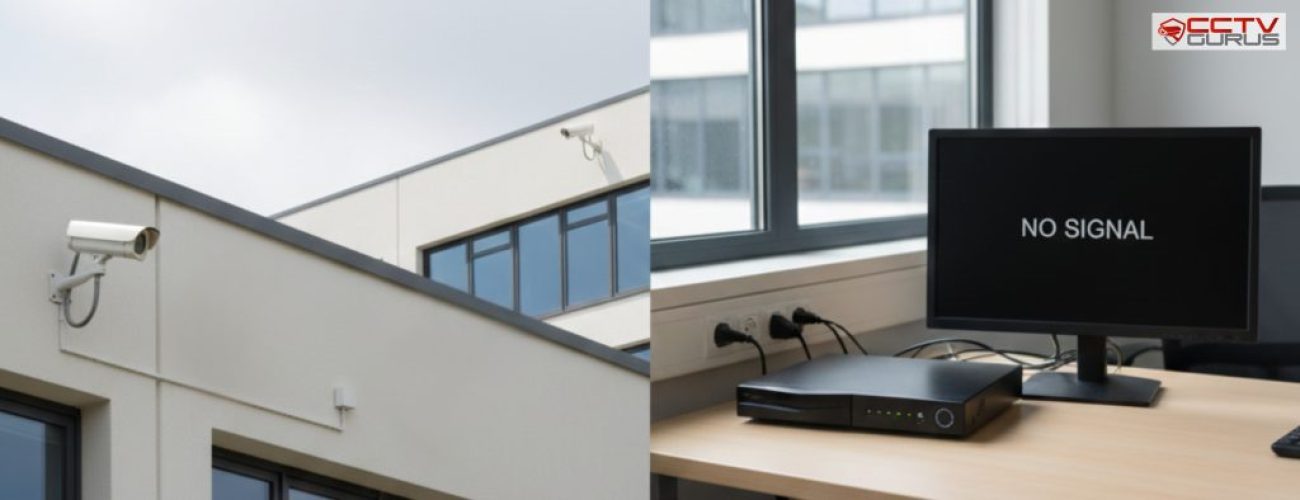
UPS systems are widely used to protect CCTV systems from sudden power loss. They provide immediate backup power, preventing abrupt shutdowns and allowing systems to continue recording for a limited time.
A properly sized UPS can keep cameras and recording devices running long enough to cover short outages or allow for a safe shutdown if needed. This prevents data corruption and reduces surveillance gaps. UPS systems are especially useful for properties where brief power interruptions are common.
Battery Backup and Extended Power Protection
For longer outages, battery backup systems offer extended protection. These systems are designed to supply power for several hours, depending on system size and battery capacity.
Battery backups are commonly used in critical environments where uninterrupted surveillance is necessary. They require proper planning to match power demand with backup duration. Longer backup duration ensures security coverage remains active even during extended outages.
Generators and High-Availability Environments
In facilities where security cannot be interrupted, generators provide the most robust backup solution. Generators supply electricity when both the main power and battery reserves are unavailable.
While generators require fuel and maintenance, they are essential for large properties, industrial sites, and critical infrastructure where downtime is unacceptable. Generators are often used alongside battery systems to ensure seamless power transition.
The Role of Cabling and Power Distribution
Power reliability is not just about backup sources. How power is distributed across the system also matters. Properly structured cabling ensures cameras and recorders receive stable power without overload or interference.
Poor cabling can cause power drops, even when backup systems are present. This is why professional planning includes both power supply and cabling layout. A well-designed power infrastructure improves overall system stability.
Power Planning and System Design Considerations
Effective power planning takes into account camera count, recording devices, networking equipment, and backup duration requirements. Systems with poor planning may have backup power that is insufficient or unevenly distributed.
In professional setups, CCTV systems are often integrated with data networking to ensure smooth operation between cameras, recorders, and monitoring interfaces during normal and backup operation. Balanced design prevents weak points that could disable the system during outages.
Integration With Other Security Systems
CCTV systems often work alongside other security technologies. For example, an access control system relies on powered devices to manage entry points, while audio-visual systems may be used for monitoring and communication.
When power fails, all these systems are affected unless they share a unified backup strategy. Coordinated power planning ensures all security components continue functioning together. This integrated approach improves overall security resilience.
Why Professional Power Planning Matters
Power backup solutions are not universal. The right solution depends on system size, outage risk, and security priorities. Incorrect sizing or poor installation can make backups ineffective.
This is where professional CCTV installation planning becomes critical. Experts assess power needs, select appropriate backups, and ensure smooth system operation during outages. Professional planning prevents costly mistakes and improves long-term reliability.
Common Misunderstandings About Power and CCTV
Many users assume that cameras store footage internally during outages or resume recording from where they stopped. In reality, recording resumes only after power returns, and gaps cannot be recovered. Understanding these limitations helps set realistic expectations and encourages better system planning. Education reduces false confidence in system resilience.
Conclusion
CCTV systems do not work without electricity, as every component relies on power to function. Cameras, recorders, and monitoring equipment all shut down during outages unless backup solutions are in place. Understanding how power loss affects surveillance helps property owners plan for uninterrupted security and avoid unexpected coverage gaps.
When systems are designed with proper backups and installed by CCTV Installation Experts, power interruptions no longer mean security failure. With thoughtful planning, reliable backups, and professional execution, CCTV systems can continue protecting properties even when the main power supply is disrupted.