
Introduction
One of the most common questions people ask before installing a CCTV system is whether the cameras will work without an internet connection. This concern is especially common among homeowners and small businesses who want reliable security without depending entirely on network availability. Many assume that CCTV cameras are like mobile apps that stop working the moment the internet goes down. In reality, CCTV systems are designed very differently, and their ability to function without internet often surprises first-time users, especially those working with Trusted CCTV Installation in Dubai for secure and compliant setups.
Understanding how CCTV cameras operate without internet helps property owners set realistic expectations and choose the right system for their needs. Internet connectivity adds convenience, but it is not always essential for basic surveillance. Knowing what works offline, what requires connectivity, and how footage is stored ensures better planning and fewer misunderstandings after installation.
This article explains clearly whether CCTV cameras work without internet, what functions remain available offline, and when internet access becomes necessary. It is written to provide clarity without technical confusion, helping beginners make informed security decisions.
Understanding the Basic Function of CCTV Cameras
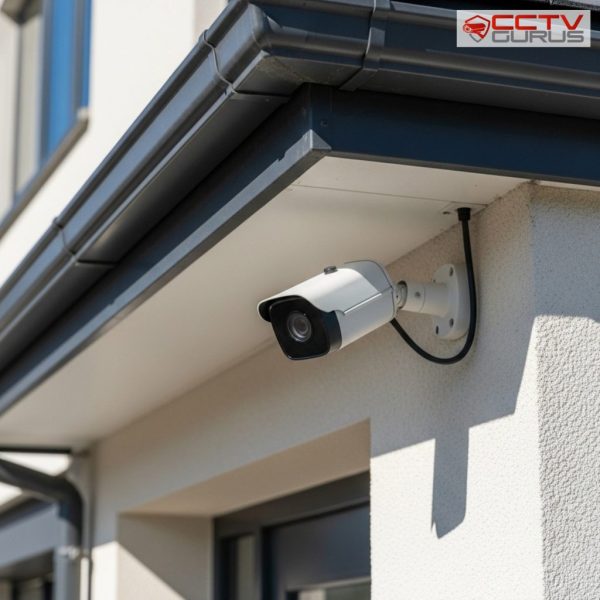
At their core, CCTV cameras are designed to capture video footage. This fundamental function does not inherently require an internet connection. Cameras capture visual data through their sensors and send it to a recording device or storage location. In traditional CCTV systems, cameras connect directly to a recording device using physical cables.
These systems were developed long before internet-connected surveillance became common. Their primary purpose was local monitoring and recording, not remote access. Because of this design, many CCTV systems continue to operate effectively even when no internet connection is present.
What Internet Is Actually Used For in CCTV Systems
The internet is often confused with the basic operation of CCTV systems. In reality, internet connectivity is mainly used to enhance accessibility and convenience rather than enable core recording functions. Internet access allows users to view live footage remotely through mobile apps or computers.
It also enables cloud storage, remote alerts, and software updates. However, these features are optional additions rather than essential components. Without the internet, a CCTV system can still record footage locally. What changes is how and where that footage can be accessed.
How CCTV Cameras Work Without Internet
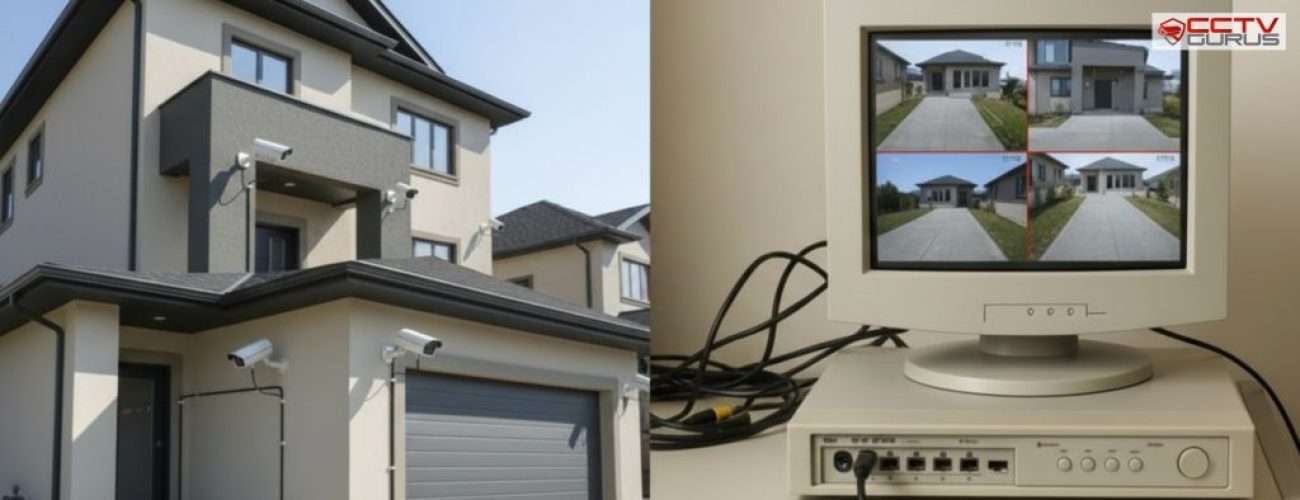
When a CCTV system operates without internet, cameras continue to capture footage and send it to a local recording device. This device stores video data on internal storage, such as hard drives. Users can still view footage directly through a connected monitor or playback interface.
Recorded video remains accessible onsite, allowing incidents to be reviewed even during network outages. The absence of the internet does not affect camera lenses, sensors, or recording hardware. As long as the system has power and proper connections, it continues functioning normally.
Local Storage and Offline Recording Explained
Local storage is what allows CCTV systems to function independently of the internet. Recording devices store footage on internal hard drives, creating a local archive of video data. This method offers reliability and control. Footage remains on-site rather than being transmitted over networks.
Many property owners prefer local storage because it reduces dependency on external services and subscriptions. Offline recording ensures that security monitoring continues even when internet service is unstable or unavailable.
Differences Between Wired and IP Cameras Offline
Wired CCTV cameras are naturally suited for offline operation. They connect directly to recording devices and do not rely on network communication for basic functionality. IP cameras, on the other hand, are designed to transmit data over networks.
However, many IP camera systems can still operate without the internet if they are connected to a local network. In this case, the system functions internally without external connectivity. The key distinction is that IP cameras need a network environment, but not necessarily an active internet connection, to record locally.
What You Can and Cannot Do Without the Internet
While CCTV systems work without the internet, certain features become unavailable. Understanding these limitations helps prevent frustration and confusion.
Without internet:
- Cameras continue recording footage locally
- On-site playback remains available
- Security coverage stays active
What becomes unavailable includes:
- Remote viewing through mobile apps
- Cloud-based storage access
- Real-time alerts sent to devices outside the property
These limitations affect convenience, not core security functionality.
Power Supply Matters More Than Internet
While internet outages do not stop CCTV cameras from recording, power outages do. CCTV systems rely on electricity to operate cameras, recording devices, and displays. If power is interrupted, cameras stop functioning unless backup power solutions are in place. This makes power reliability a more critical factor than internet connectivity when planning security systems. Ensuring a stable power supply protects continuous surveillance.
Backup Options for Network-Dependent Features
Some users want limited remote access even during internet disruptions. In such cases, backup connectivity options may be considered. Mobile network solutions can provide temporary connectivity for remote access, but they are not required for basic recording. These options are typically used in critical environments rather than standard residential setups. Backup connectivity enhances access, not recording capability.
Why Some People Believe the Internet Is Required
The rise of smart cameras and cloud-based services has blurred the distinction between CCTV and internet-dependent devices. Many modern systems advertise app access and remote viewing as core features.
This marketing focus leads people to believe the internet is essential for operation. In reality, these features are enhancements layered onto traditional surveillance systems.
Understanding this distinction prevents unnecessary reliance on internet availability.
When Internet Access Becomes Important
Internet access becomes important when users want to monitor cameras remotely, receive instant alerts, or store footage in the cloud. These features add flexibility but also introduce dependency on connectivity.
For businesses managing multiple locations or homeowners who travel frequently, internet access adds value. However, it is not mandatory for recording or basic monitoring. The decision to include internet connectivity depends on usage preferences, not system necessity.
Choosing the Right CCTV System Based on Internet Availability
Selecting the right CCTV system depends on how much reliance you want on internet-based features. Some users prioritize local reliability, while others value remote access. Understanding your environment, connectivity stability, and security goals helps determine the right balance. Systems can be designed to work fully offline or with optional internet-enabled features. Proper planning ensures the system matches real-world needs.
Common Misunderstandings About Offline CCTV Systems
A common misunderstanding is that footage disappears without the internet. In reality, local storage continues functioning normally. Another misconception is that cameras become inactive during network outages, which is not true for most systems. Clarifying these points helps users trust their surveillance systems even during connectivity issues. Education eliminates unnecessary concerns.
How Offline CCTV Systems Fit Into Modern Security
Offline-capable CCTV systems remain highly relevant. They provide dependable monitoring without relying on external networks. In many cases, this independence enhances security rather than limiting it. Modern systems blend offline reliability with optional online features, offering flexibility without compromising core functionality. This hybrid approach supports a wide range of security needs.
Conclusion
CCTV cameras can work effectively without an internet connection, as their core function is local video capture and storage. Internet access enhances convenience through remote viewing and cloud features, but it is not required for recording or onsite monitoring. Understanding this distinction helps property owners choose systems that remain reliable even during connectivity disruptions.
When planned and installed by Trusted CCTV Installation in Dubai, CCTV systems are designed to balance offline reliability with optional online features. This ensures continuous security coverage, clear footage storage, and dependable performance regardless of internet availability.