
Introduction
Choosing the right CCTV camera is not only about resolution or brand; it is about selecting equipment that matches the environment it is meant to protect. Many property owners install cameras without fully understanding the differences between indoor and outdoor CCTV systems, assuming one type can serve all purposes. This often results in performance issues, reduced durability, and incomplete coverage. Making the correct choice requires understanding how environmental conditions affect camera performance and why different designs exist. This is where guidance from CCTV Installation Experts becomes essential for achieving reliable and long-term surveillance results.
Indoor and outdoor CCTV cameras are designed with distinct functions, materials, and performance expectations. While both serve the goal of monitoring activity, their construction, placement, and capabilities differ significantly. Selecting the wrong type for a specific environment can compromise security, increase maintenance costs, and shorten system lifespan. Understanding these differences allows homeowners and businesses to invest in surveillance systems that deliver consistent results rather than short-term solutions.
In this blog, the focus is on explaining the key differences between indoor and outdoor CCTV cameras, how each type functions in its environment, and how to determine which option is best suited for residential and commercial security needs.
Understanding the Purpose of Indoor CCTV Cameras
Indoor CCTV cameras are designed specifically for controlled environments where exposure to harsh elements is minimal. These cameras are commonly installed in offices, retail spaces, residential interiors, corridors, and shared areas. Their primary purpose is to monitor internal activity, ensure safety, and support accountability within enclosed spaces.
One of the defining characteristics of indoor cameras is their design focus on aesthetics and discretion. Since they are placed in visible areas used daily by people, manufacturers prioritize compact designs and subtle appearances. This helps maintain a comfortable environment without creating a sense of constant surveillance pressure.
Indoor cameras also operate under predictable lighting conditions. Because indoor lighting is more consistent than outdoor lighting, these cameras are optimized for clarity in stable environments. This allows them to capture detailed footage without needing heavy weather protection or extreme brightness adjustments.
Key Features That Define Indoor CCTV Cameras
Indoor CCTV cameras typically emphasize image clarity, ease of installation, and compatibility with interior layouts. They often include features that support clear facial recognition, activity monitoring, and internal process oversight.
Common characteristics of indoor cameras include:
- Compact and lightweight construction
- Optimized lenses for short to medium distances
- Stable performance under controlled lighting
- Simple mounting options for walls or ceilings
Because they are not exposed to extreme conditions, indoor cameras focus more on precision than durability. This makes them ideal for monitoring areas where detail and consistency matter most.

Limitations of Indoor Cameras in External Environments
While indoor cameras perform well inside buildings, they are not suitable for outdoor use. Exposure to heat, dust, moisture, and direct sunlight can quickly degrade their performance. Using indoor cameras outside often results in damaged lenses, blurred footage, and frequent system failures.
Another limitation is night performance. Indoor cameras are not designed to handle low-light outdoor conditions or wide temperature fluctuations. This makes them unreliable for perimeter monitoring or entrance surveillance in external areas. Attempting to use indoor cameras outdoors may reduce initial costs, but it leads to higher long-term expenses due to frequent replacements and repairs.
Understanding the Purpose of Outdoor CCTV Cameras
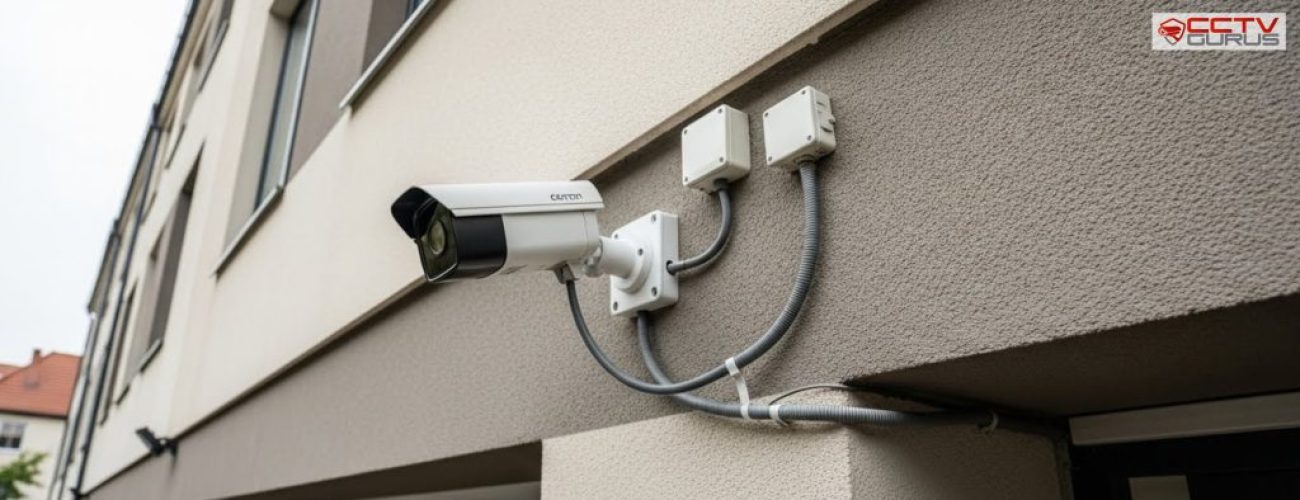
Outdoor CCTV cameras are built to operate in unpredictable and harsh environments. They are designed to monitor perimeters, entrances, parking areas, loading zones, and open spaces where exposure to weather and environmental elements is unavoidable.
These cameras prioritize durability and adaptability. Their housing protects internal components from heat, dust, humidity, and rain. This makes them suitable for long-term operation in challenging climates, including regions with high temperatures. Outdoor cameras also focus on wide-area coverage. They are often used to monitor movement across open spaces, detect intrusions, and provide early warnings of un-authorized access.
Design and Durability of Outdoor Cameras
Outdoor CCTV cameras feature reinforced housing and protective seals that prevent environmental damage. This design ensures consistent performance despite exposure to external factors.
Durability features commonly include:
- Weather-resistant enclosures
- Heat-tolerant components
- Protection against dust and moisture
- Strong mounting brackets for stability
These features allow outdoor cameras to maintain image clarity and system reliability over extended periods without frequent maintenance.
Outdoor Camera Performance in Changing Light Conditions
Outdoor lighting changes constantly throughout the day. Direct sunlight, shadows, nighttime darkness, and artificial lighting all affect visibility. Outdoor cameras are designed to adapt to these changes using advanced image processing.
They often include night visibility enhancements and glare reduction mechanisms. This ensures clear footage even in low-light or high-contrast conditions. Without these capabilities, outdoor surveillance becomes unreliable.
Comparing Coverage Needs for Indoor and Outdoor Spaces
Indoor spaces require focused monitoring of specific zones, such as entrances, hallways, and work areas. Outdoor spaces demand broader coverage to monitor movement across larger areas.
Indoor cameras are placed strategically to capture close-range activity, while outdoor cameras are positioned to oversee wider fields of view. Understanding this difference ensures cameras are selected based on coverage requirements rather than convenience.
Security Goals Differ Between Indoor and Outdoor Monitoring
Indoor surveillance focuses on accountability, safety, and operational oversight. It supports dispute resolution, policy enforcement, and internal security management. Outdoor surveillance emphasizes prevention and early detection. It acts as a deterrent and provides visibility into external threats before they reach internal spaces. Combining both types creates layered security that strengthens overall protection.
Integration With Broader Security Systems
Both indoor and outdoor cameras can integrate with access control systems and audio-visuals, but their roles differ. Indoor cameras often support access verification and internal monitoring, while outdoor cameras assist with perimeter control. Proper integration ensures seamless monitoring across all zones, providing a complete security picture rather than isolated footage streams.
Maintenance Differences Between Indoor and Outdoor Cameras
Indoor cameras require minimal maintenance due to stable conditions. Occasional lens cleaning and alignment checks are usually sufficient. Outdoor cameras demand more frequent inspection due to environmental exposure. Dust buildup, mounting stability, and weather-related wear must be monitored regularly to maintain performance. Understanding maintenance requirements helps property owners plan upkeep effectively.
Choosing the Right Camera for Residential Properties
Residential properties often benefit from a combination of indoor and outdoor cameras. Indoor cameras monitor shared and private spaces, while outdoor cameras protect entrances and perimeters. Choosing the right balance ensures privacy is respected while maintaining security coverage where it matters most.
Choosing the Right Camera for Commercial Properties
Commercial environments require more structured surveillance planning. Indoor cameras support operational oversight, while outdoor cameras protect assets and manage access points. Professional planning ensures camera selection aligns with business operations and compliance requirements.
Common Mistakes When Choosing Between Indoor and Outdoor Cameras
Many users select cameras based on price rather than purpose. Others attempt to use one camera type for all areas. These mistakes lead to poor performance and increased costs. Understanding the functional differences prevents these errors and improves system effectiveness.
Why Professional Guidance Matters
Selecting the right camera type requires understanding environmental conditions, coverage goals, and long-term performance needs. Professionals assess these factors and recommend solutions tailored to each property. This guidance ensures systems perform reliably and deliver consistent security results.
Conclusion
Choosing between indoor and outdoor CCTV cameras requires careful consideration of the environment, coverage needs, and security goals. Each camera type serves a specific purpose, and using them correctly ensures reliable monitoring and long-term performance. Indoor cameras provide detailed visibility within controlled spaces, while outdoor cameras deliver durability and wide-area surveillance in challenging conditions.
When planned and installed with the support of CCTV Installation Experts, surveillance systems combine the strengths of both indoor and outdoor cameras. This balanced approach creates layered security that protects people, property, and operations effectively, ensuring confidence and peace of mind for years to come.