
Introduction
For many people, CCTV systems feel complicated and technical, even though they see cameras installed everywhere. Homes, offices, shops, and public spaces rely on CCTV every day, yet very few users actually understand how these systems work behind the scenes. Cameras record video, footage appears on screens, and recordings can be played back later, but what happens between these steps often remains unclear. This lack of understanding can lead to unrealistic expectations, poor system usage, or incorrect decisions when installing or maintaining surveillance systems, especially when relying on CCTV Installation Experts to design and deploy them correctly.
Understanding how a CCTV system works does not require technical expertise. At its core, a CCTV system follows a logical flow: cameras capture images, signals are transmitted, footage is recorded and stored, and users access the data when needed. Each part of the system has a specific role, and when these parts work together properly, the result is reliable and consistent security monitoring. When one part is misunderstood or poorly configured, the entire system can suffer.
This guide explains how a CCTV system works in a simple, beginner-friendly way. It breaks down each component, explains how data moves through the system, and clarifies how everything comes together to provide effective surveillance without overwhelming technical jargon.
What a CCTV System Actually Is?
A CCTV system, short for closed-circuit television, is designed to capture video footage and transmit it to a limited and controlled set of devices. Unlike broadcast television, CCTV footage is not publicly accessible. Only authorized users can view live feeds or recorded video. This closed structure is what makes CCTV suitable for security and monitoring purposes.
The main goal of a CCTV system is observation and documentation. It allows property owners to monitor activity, review incidents, and maintain a visual record of events. Whether used in a home or a business, the system provides visibility into areas that cannot always be watched in person.
For beginners, it is important to understand that CCTV is not a single device. It is a system made up of multiple components that must work together. Cameras alone do nothing unless they are connected to recording, storage, and viewing equipment.
The Role of CCTV Cameras in the System
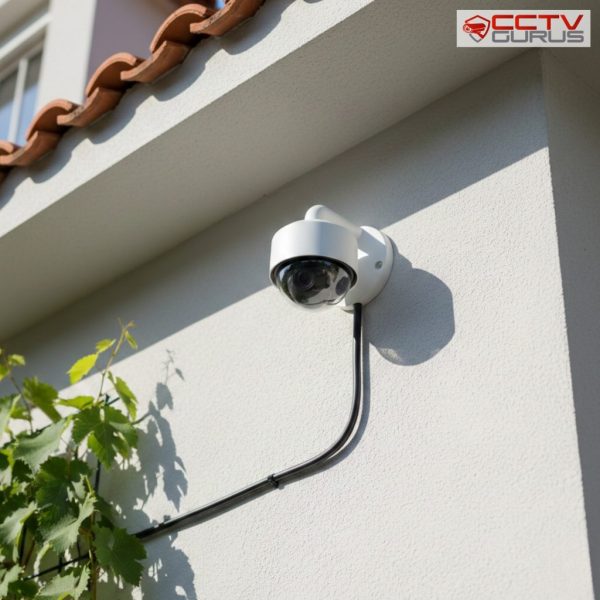
Cameras are the most visible part of a CCTV system and are often mistaken for the entire system. In reality, cameras are just the starting point. Their role is to capture visual information from their surroundings and convert it into electronic signals.
Each camera includes a lens, an image sensor, and internal processing components. The lens determines what area is visible, while the sensor converts light into a digital or analog signal. Camera quality, placement, and configuration all affect how clear and useful the footage will be.
Different cameras are used for different purposes. Some are designed for indoor monitoring, others for outdoor conditions. Some focus on wide areas, while others are positioned to capture detail at entry points. Choosing the right camera for the right location is essential for effective system performance.
How Video Signals Travel From Cameras
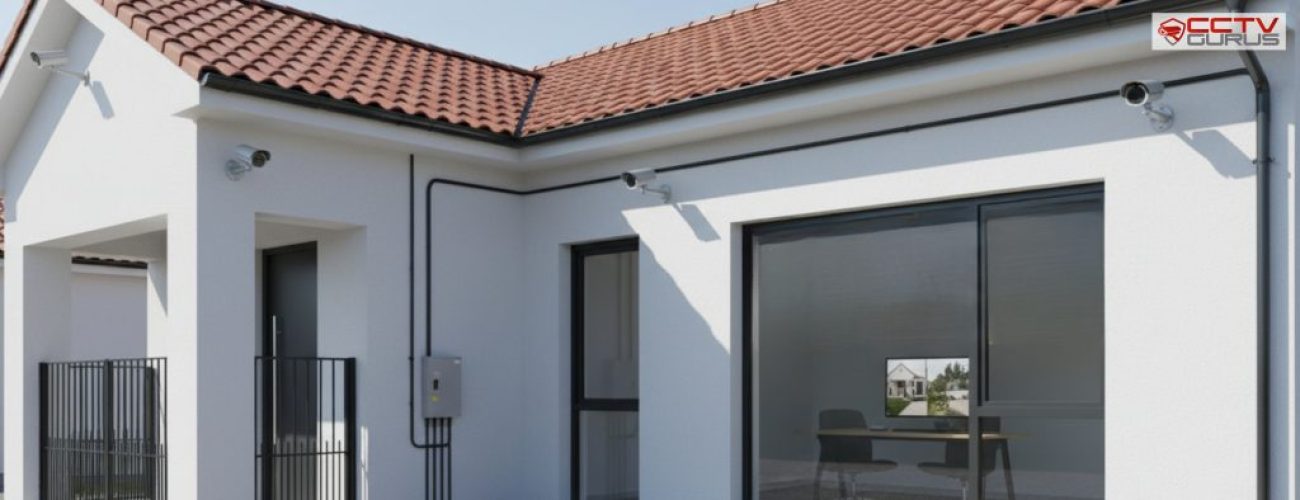
Once a camera captures footage, that information must travel to another part of the system. This is where signal transmission comes into play. The video signal is sent from the camera to a recording device through cables or network connections.
In traditional systems, video signals travel through coaxial cables. In modern systems, data is transmitted digitally through network cables. Regardless of the method, the purpose is the same: to move video data from the camera to a central recording point without loss of quality.
Signal stability is crucial. Poor cabling, interference, or incorrect installation can cause lag, distortion, or dropped footage. This is why the transmission path is just as important as the camera itself.
Recording Devices and Why They Matter
Recording devices are the heart of a CCTV system. They receive video signals from cameras and decide how that footage is recorded, stored, and accessed. Without a recording device, cameras cannot store footage for later review.
The recorder manages recording modes, such as continuous recording, motion-based recording, or scheduled recording. It also controls how long footage is kept before it is overwritten. These settings directly affect how much history the system retains.
For beginners, it is helpful to understand that the recorder is where most system settings live. Adjustments to recording quality, storage duration, and playback options are usually made through the recording device interface.
How CCTV Footage Is Stored
Storage is what allows CCTV footage to be reviewed days, weeks, or even months later. The amount of storage required depends on several factors, including camera resolution, number of cameras, recording duration, and recording method.
Higher-resolution footage uses more storage. Continuous recording fills storage faster than motion-based recording. If storage is not planned properly, footage may be overwritten sooner than expected, sometimes before it is needed.
Storage reliability is critical. A system that records footage but cannot retain it long enough loses much of its value. Proper storage planning ensures that recordings are available when incidents need to be reviewed.
Live Viewing and Monitoring Explained
Live viewing allows users to see camera feeds in real time. This is often done through monitors connected to the recorder or through secure applications on computers and mobile devices.
Live monitoring is useful for active security oversight, allowing users to observe situations as they unfold. In homes, it may be used occasionally. In businesses, it is often used regularly to supervise operations or monitor sensitive areas.
For live viewing to work smoothly, the system must have stable transmission and sufficient processing power. Lag or buffering during live feeds reduces the effectiveness of monitoring.
Motion Detection and Event-Based Recording
Many CCTV systems use motion detection to improve efficiency. Instead of recording everything continuously, the system detects movement and records only when activity occurs.
Motion detection works by analyzing changes in video frames. When movement crosses a defined threshold, recording begins, or alerts are triggered. This helps reduce storage usage and makes it easier to find important events later.
However, motion detection must be configured carefully. Poor settings can cause false alerts from shadows, lighting changes, or environmental movement. Proper setup ensures motion detection captures meaningful activity rather than noise.
Power Supply and System Reliability
CCTV systems rely on a stable power supply to function. Cameras, recording devices, and network equipment all require electricity to operate continuously. Power interruptions can cause cameras to stop recording or systems to reboot. In some cases, recordings may be corrupted or lost. This is why power stability is an important part of system design.
In environments where constant monitoring is critical, backup power solutions help maintain operation during outages. Even short interruptions can create gaps in surveillance if not addressed.
How Users Access and Control the System
Users interact with a CCTV system through a software interface provided by the recorder or management platform. This interface allows live viewing, playback, system configuration, and footage export. Access is usually controlled through usernames and passwords. Different users may have different permission levels.
For example, some users can view footage, while others can change settings. Understanding how to navigate the system interface helps users get the most value from their CCTV setup and avoid accidental configuration changes.
Maintenance and Long-Term Operation
CCTV systems are not maintenance-free. Over time, cameras may shift, lenses may collect dust, and software may need updates. Without maintenance, performance gradually declines. Regular checks help ensure cameras remain aligned, recordings are functioning correctly, and storage is sufficient.
Maintenance also helps identify potential issues before they lead to system failure. For beginners, understanding that CCTV requires ongoing attention helps set realistic expectations and improves long-term reliability.
Common Beginner Misunderstandings
Many beginners believe CCTV systems work independently without monitoring or maintenance. Others assume footage is stored forever or that cameras function perfectly regardless of placement. In reality, system effectiveness depends on proper design, configuration, and upkeep.
Understanding how the system works helps avoid disappointment and misuse. Learning the basics empowers users to make informed decisions and communicate more effectively with installers or service providers.
How All CCTV Components Work Together
A CCTV system works as a complete chain. Cameras capture footage, transmission paths move data, recording devices store information, and interfaces allow users to access it. Each component depends on the others.
If one part fails or is poorly configured, the entire system’s effectiveness is reduced. Balanced system design ensures smooth communication between components and consistent performance. This interconnected structure is why CCTV is considered a system, not just a camera installation.
Conclusion
A CCTV system works by combining cameras, transmission pathways, recording devices, storage, and user interfaces into a single coordinated setup. Each component plays a specific role, and when they work together properly, the system provides reliable monitoring, clear documentation, and peace of mind. Understanding these basics helps beginners use their systems more effectively and avoid common mistakes.
When designed and implemented by CCTV Installation Experts, CCTV systems are planned with clarity, reliability, and long-term performance in mind. This ensures that surveillance solutions remain effective, easy to manage, and capable of protecting people and property consistently over time.