
Introduction
For small business owners, protecting assets, employees, and customers is a top priority. Installing a CCTV system is one of the most effective ways to achieve this. However, many business owners hesitate to invest in CCTV systems due to concerns about the complexity and costs involved. While there are some upfront costs, a well-designed CCTV camera setup provides significant long-term benefits by deterring crime, ensuring safety, and even providing useful footage in case of incidents. This is why CCTV Installation in Dubai is an essential consideration for small businesses, where security systems need to be efficient, scalable, and easy to manage.
Choosing the right CCTV setup involves considering factors like camera type, number of cameras, storage capacity, and network infrastructure. A small business needs a system that balances security with practicality. The equipment selected should fit the business size and needs without overspending. A professional installation ensures the system is well-integrated with existing infrastructure and is configured to meet local security requirements. The ultimate goal is not just surveillance but a robust, easy-to-manage security system that can grow with the business.
In this blog, you will learn what makes the best CCTV camera setup for small businesses, how to select the right cameras for different business environments, the necessary infrastructure components, and why professional installation is key.
Why Small Businesses Need a CCTV System
Small businesses are particularly vulnerable to crimes such as theft, vandalism, and employee misconduct. Without surveillance, these issues can go unnoticed, leading to significant losses. Installing CCTV cameras acts as both a deterrent and a means to gather evidence in case of incidents. The presence of cameras in visible areas often prevents criminals from attempting illegal activities. CCTV systems not only improve security but also promote trust among employees and customers.
Customers feel more secure when they know a business takes steps to protect their premises, and employees appreciate the accountability and protection that surveillance provides. In a busy city like Dubai, having a CCTV system also aligns with regulatory compliance, where businesses may be required to monitor certain areas for safety and legal reasons. Having a reliable CCTV system ensures peace of mind for both business owners and their staff, knowing that their premises are being monitored 24/7.
Choosing the Right CCTV Cameras for Small Businesses
When setting up CCTV cameras for small businesses, it’s crucial to choose the right camera types based on the premises layout, security needs, and budget. The two main types of CCTV cameras are analog and IP cameras. While analog cameras are more affordable, IP cameras provide higher resolution, better scalability, and more flexibility in terms of remote access.
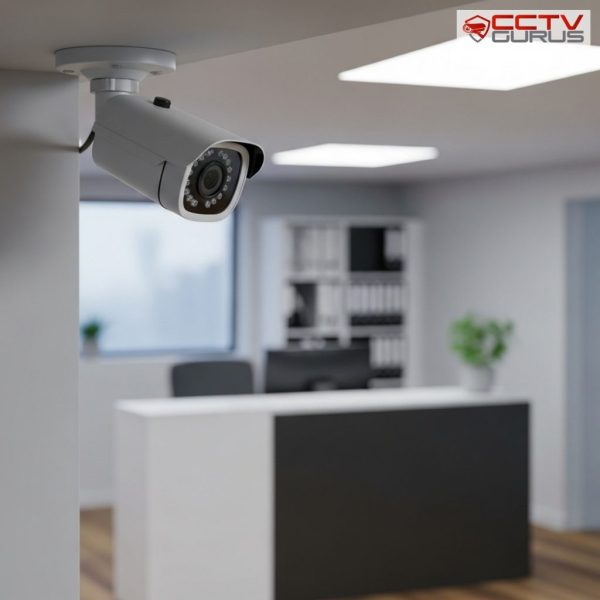
For small businesses, a mix of indoor and outdoor cameras is often needed. Indoor cameras can monitor office spaces, entrances, and cash registers, while outdoor cameras help keep an eye on parking areas, loading docks, and perimeter fencing. High-definition cameras with night vision capability ensure visibility in both well-lit and low-light environments, preventing blind spots.
The key is to choose cameras that provide clear, reliable footage at all times of day, without unnecessary features that would increase the overall system cost. Professional installers will help design a system that suits the specific needs of the business.
Setting Up a Secure Network and Storage System
In addition to cameras, the network and storage infrastructure play a vital role in a CCTV system’s functionality. IP cameras, for instance, require a stable network connection to transmit video footage in real-time. A poor network setup can lead to delays, blurry footage, or even disconnected cameras, rendering the system ineffective.
Storage is another essential consideration. Small businesses must choose between local storage (such as a hard drive or DVR system) and cloud storage, depending on their preferences and data retention needs. Cloud storage allows for remote access, making it easier to monitor footage from anywhere, while local storage may be more cost-effective for businesses with limited data retention needs.
A reliable storage solution must have enough capacity to store footage for the required duration, as per regulatory guidelines. Professional installation of the Data Networking ensures that network speed, stability, and storage meet the system’s requirements.
Installation and Camera Placement for Maximum Coverage
Proper installation and camera placement are essential for maximizing the effectiveness of a CCTV system. The cameras should cover all critical areas, such as entrances, exits, cash registers, storage rooms, and parking lots. Ensuring proper camera angles and positioning prevents blind spots that can leave certain areas unmonitored.
It is recommended to install cameras at a height that prevents tampering or vandalism but still allows for clear, identifiable footage. Outdoor cameras should be weatherproof and placed under eaves or roofs to protect them from harsh weather conditions. Additionally, cameras near entrances should be placed at angles that capture facial details and license plate numbers, ensuring clear identification.
A professional installer will assess the layout of the business, determine the optimal camera placement, and ensure that all wiring and power sources are handled efficiently. With Structured Cabling Services in Dubai, businesses can ensure that cables are securely mounted and protected from physical damage, ensuring long-term durability.
Network Configuration and Remote Monitoring
Many small businesses now require remote access to their CCTV systems for enhanced convenience. Configuring your CCTV system for remote access allows you to monitor live footage from anywhere, at any time, using a smartphone, tablet, or computer. This remote monitoring capability is particularly useful for business owners who are frequently away from the premises. To enable remote access, the CCTV system must be integrated with a secure, stable internet connection.
For IP-based cameras, a dedicated network connection is often required to ensure reliable data transfer. Network security is also a priority, as an unsecured network can leave your system vulnerable to hacking or unauthorized access. The installation team will ensure that all cameras are properly connected and that the network configuration supports seamless remote access.

Maintenance and Ongoing Support for CCTV Systems
After installation, CCTV systems require ongoing maintenance to ensure they continue to operate optimally. Regular inspections of the cameras, recorders, and storage devices prevent issues before they become serious problems. Cleaning the lenses, checking for obstructions, and testing the system’s functionality should be part of the maintenance routine.
It’s also important to update software and firmware periodically to keep the system secure. Cybersecurity is a growing concern, and out-of-date systems may be vulnerable to hacking attempts. Regular software updates and data encryption ensure that footage remains protected.
Professional installers often offer ongoing maintenance contracts, ensuring your system is regularly checked and any issues are promptly addressed. These services also help with camera repositioning, system upgrades, and any expansions needed as your business grows.
Legal Considerations and Compliance for Small Business CCTV
While CCTV installation can be beneficial for security, it is essential to consider the legal implications as well. Businesses must ensure that they are compliant with local privacy and data protection laws. In Dubai, CCTV systems must adhere to guidelines set by the Dubai Police and other regulatory bodies, which define where cameras can be placed and how footage must be stored and accessed.
For example, businesses cannot install cameras in areas where individuals expect privacy, such as restrooms or changing rooms. Cameras should only cover areas relevant to the security of the property. Additionally, businesses must ensure that footage is stored securely and is accessible only to authorized personnel.
Costs and Budgeting for a CCTV System
Cost is often one of the biggest concerns when installing a CCTV system. While the price varies depending on the size of the property and the complexity of the setup, small businesses can generally expect to spend between AED 2,000 and AED 10,000 for a basic CCTV system. This price includes cameras, recorders, cables, and installation labor.
The overall cost can be affected by factors like the number of cameras, the type of cameras (analog vs. IP), network configuration, storage needs, and ongoing maintenance. Although it may seem like a large investment, the return on investment (ROI) is significant in terms of security, reduced theft, and potential liability protection. Businesses can also reduce long-term costs by investing in a high-quality, scalable system that can grow with the business rather than opting for cheaper, limited solutions.
Conclusion
CCTV camera installation for small businesses is an investment in security, peace of mind, and operational protection. Choosing the right setup, ensuring proper installation, and maintaining the system regularly are key to maximizing the system’s effectiveness. Whether you are protecting a storefront, office, or warehouse, a well-designed CCTV system provides valuable surveillance that deters crime and offers insight when needed.
When partnering with Trusted CCTV Installation in Dubai, you gain access to professional installation services, ongoing maintenance, and expert system design. With the right system in place, you not only protect your business assets but also ensure the safety of employees and customers, creating a secure environment that supports long-term growth and compliance.