
Introduction
Choosing between wired and wireless CCTV cameras is a critical decision that affects installation complexity, system reliability, and long-term performance. While both systems are designed to improve security, they differ significantly in how they are installed and maintained. Many property owners select a camera type based on convenience without fully understanding how installation differences impact performance and scalability. Learning these differences helps avoid costly mistakes and ensures the surveillance system meets security expectations. This knowledge is especially important for those planning CCTV Installation in Dubai, where properties vary widely in size, structure, and infrastructure.
Wired and wireless CCTV systems are designed for different environments and usage patterns. Wired systems emphasize stability and consistent recording, while wireless systems focus on flexibility and quicker deployment. Each system requires a different installation approach, infrastructure setup, and maintenance strategy. Without understanding these distinctions, users may choose systems that do not suit their property layout or security needs.
This blog provides a detailed explanation of the installation differences between wired and wireless CCTV cameras. It covers planning requirements, infrastructure needs, setup processes, performance factors, and long-term considerations to help users make informed decisions.
Understanding Wired CCTV Camera Installation
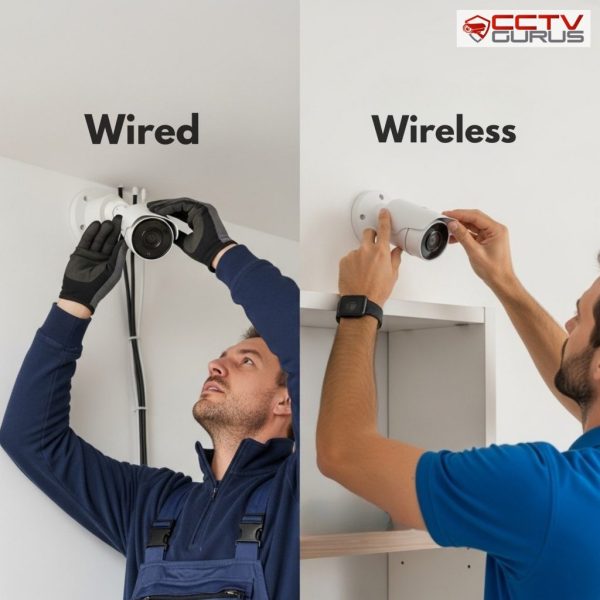
Wired CCTV camera installation involves connecting each camera directly to a recording device using physical cables. These cables transmit video signals and, in some cases, power, depending on the system design. Installation begins with identifying camera positions and planning how cables will run through walls, ceilings, or conduits. This stage requires careful attention to avoid interference and ensure clean cable routing.
Because wired systems rely on physical connections, installation often involves drilling, cable concealment, and secure mounting. Improper routing can lead to signal loss or cable damage over time. Installers must ensure cables are protected from environmental exposure and accidental tampering.
The structured nature of wired installation demands more initial effort, but it results in a stable, interference-free system that performs reliably over long periods, especially in permanent installations.
Understanding Wireless CCTV Camera Installation
Wireless CCTV camera installation reduces the need for extensive cabling by transmitting video data over a Wi-Fi network. Cameras are mounted, powered, and connected to a wireless network through software or mobile applications. This approach is popular in properties where drilling or cable routing is limited.
Despite fewer cables, wireless installation still requires careful planning. Cameras must be placed within strong Wi-Fi coverage areas to maintain stable connections. Physical obstacles, interference, and distance from routers can affect performance.
Wireless systems install faster and with less disruption, but they rely heavily on network quality. Without proper signal planning, wireless cameras may suffer from lag, disconnections, or inconsistent recording.
Infrastructure Requirements for Wired Systems
Wired CCTV systems depend on robust physical infrastructure to function effectively. Each camera requires a dedicated cable for video transmission, and in some cases, power distribution. Infrastructure planning ensures cables are routed efficiently and protected from damage.
Properties using Professional Cabling Services benefit from organized cable layouts that reduce signal interference and simplify troubleshooting. Proper cabling also improves system appearance and safety.
Infrastructure planning for wired systems often includes centralized power solutions, which improve efficiency but require additional planning to ensure stable operation across all cameras.
Infrastructure Requirements for Wireless Systems
Wireless CCTV systems rely on network infrastructure rather than extensive cabling. A strong Wi-Fi network is essential to support continuous video transmission from cameras to recording or monitoring devices. Routers, access points, and network configuration all affect performance.
In environments supported by Data Networking Services, wireless systems benefit from optimized network designs that handle high data loads efficiently. Without proper network infrastructure, wireless cameras may experience delays or dropped connections.
Although wireless systems reduce cabling, power infrastructure remains important. Cameras still require power, whether through batteries or nearby outlets, and power planning affects reliability.
Installation Complexity and Time Requirements
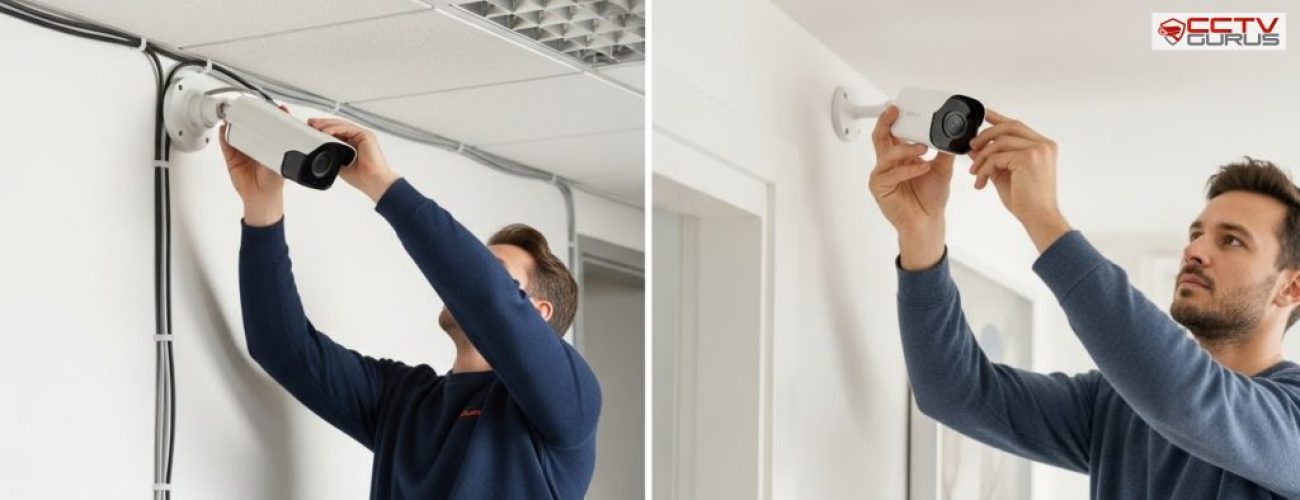
Wired CCTV installation generally requires more time and technical expertise. Running cables through walls, securing mounts, and configuring recorders can be labor-intensive, particularly in large or multi-level properties.
Wireless installation is faster and less invasive, often requiring minimal drilling and fewer physical modifications. This makes wireless systems suitable for rented properties or temporary setups. However, while wireless installation is quicker, it requires careful network configuration and ongoing monitoring to maintain performance over time.
Performance and Reliability Differences
Wired CCTV systems are known for consistent performance because video signals travel through physical cables, avoiding network congestion. This makes wired systems ideal for environments requiring uninterrupted recording.
Wireless systems rely on network stability, which can vary based on signal strength and interference. Performance may fluctuate during peak network usage or environmental changes. Understanding these differences helps users choose systems that match their reliability requirements and operational expectations.
Scalability and Expansion Considerations
Expanding a wired CCTV system usually involves running additional cables and possibly upgrading the recording device. While expansion is possible, it requires physical modifications and careful planning.
Wireless systems offer easier scalability, as new cameras can often be added without extensive cabling. This flexibility benefits growing properties or evolving security needs. However, network capacity must be considered to ensure additional cameras do not overload the system.
Integration With Other Security Technologies
Both wired and wireless CCTV systems can integrate with broader security solutions. Systems using Complete Audio Visual System Integration often centralize camera feeds with monitoring displays for unified control.
In advanced setups, CCTV systems may also operate alongside the Advanced Access Control System Installation, linking video footage with access events. This integration improves situational awareness and security response. Understanding integration capabilities helps users design comprehensive security systems rather than isolated components.
Maintenance and Long-Term Management
Wired systems require periodic inspection of cables, mounts, and connections to ensure long-term reliability. Environmental factors such as dust or movement can affect cabling over time.
Wireless systems require network monitoring, firmware updates, and battery management, where applicable. Environmental changes can affect Wi-Fi performance and may require adjustments. Regular maintenance ensures both systems continue operating effectively and reliably.
Cost and Installation Value Over Time
Wired CCTV systems often involve higher upfront installation costs due to labor and infrastructure requirements. However, their long-term stability can reduce maintenance expenses.
Wireless systems usually cost less to install initially but may require ongoing investment in network upgrades or power management. Evaluating the total cost of ownership helps users make informed decisions.
Conclusion
Wired and wireless CCTV cameras differ significantly in installation approach, infrastructure needs, and long-term performance. Wired systems offer structured stability and consistent recording, while wireless systems provide flexibility and quicker deployment. Understanding these differences helps property owners choose solutions aligned with their security needs.
When systems are planned and implemented by Trusted CCTV Installation in Dubai, both wired and wireless options can deliver reliable, scalable, and effective security. Professional planning and proper infrastructure ensure long-term performance and peace of mind.