
Introduction
When setting up a CCTV surveillance system, one of the most important decisions you’ll make is choosing the right type of recording device: Digital Video Recorder (DVR) or Network Video Recorder (NVR). Both serve the same primary function of recording and storing footage, but they operate differently, and each has its own advantages and limitations. Selecting the best option depends on the size of your system, the quality of footage you need, your network setup, and how you intend to manage the recorded video.
While DVR and NVR systems share similar functions, understanding how they operate and their key differences is crucial. CCTV Installation in Dubai requires careful planning, as the right system ensures optimal performance, security, and scalability. The decision between DVR and NVR isn’t simply about cost; it’s about matching the system to your property’s needs, security goals, and technical environment.
In this blog, you’ll learn the differences between DVR and NVR systems, how each works, their advantages and disadvantages, and what factors to consider when choosing between them.
What is a DVR and How Does it Work?
A Digital Video Recorder (DVR) is a traditional surveillance recording system that uses coaxial cables to connect cameras to the recorder. The DVR receives video signals from the cameras and stores them on a hard drive for later playback or review. DVR systems have been used for many years, particularly for analog CCTV systems.
DVR systems are typically used with analog cameras that transmit video over coaxial cables to the recorder. The video is then digitized by the DVR for storage. One of the main advantages of DVR systems is their simplicity and lower cost, making them a good choice for smaller setups or properties with existing analog infrastructure.
DVR systems are limited by the resolution of the cameras and the distance over which they can transmit video. The quality of the video may decrease with longer cable runs, and the system is not as flexible as NVR systems in terms of scalability and remote access. Despite these limitations, DVR systems are a tried-and-tested solution for many businesses and homeowners.
What is an NVR and How Does it Work?
A Network Video Recorder (NVR) is a more modern solution for recording video from IP (Internet Protocol) cameras. Unlike DVR systems, NVR systems use an IP network to transmit video signals. The cameras in an NVR system are typically connected via Ethernet cables or Wi-Fi, and the video is recorded and stored on a network server or dedicated NVR device.
NVR systems are often used with high-definition cameras that offer better image quality, and they support more advanced features such as remote viewing and cloud storage. Since the video is transmitted over the network, NVR systems are more flexible than DVR systems. You can place IP cameras anywhere within the network range, making it easier to expand and scale the system as your needs grow.
NVR systems are also typically better suited for larger installations, especially those that require high-definition video and remote access. They offer superior image quality, easier integration with other systems, and a higher level of scalability. However, NVR systems can be more expensive due to the need for network infrastructure and the advanced technology involved.
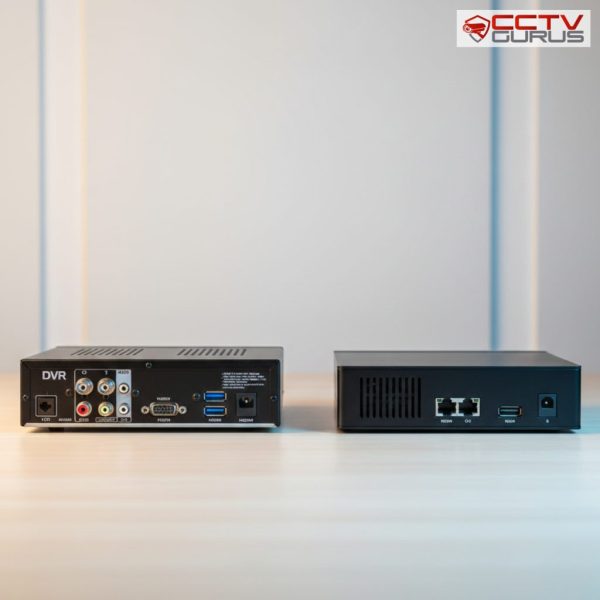
DVR vs NVR: Key Differences
The primary difference between DVR and NVR systems lies in how they transmit video. DVR systems rely on coaxial cables to send video from the camera to the recorder, while NVR systems transmit video over an IP network, which can be either wired (Ethernet) or wireless.
Video Quality
NVR systems are capable of recording higher-quality video compared to DVR systems because they work with IP cameras, which offer higher resolution and better clarity. DVR systems are limited by the resolution of the analog cameras they support, which typically provides lower-quality footage.
Installation Flexibility
NVR systems have a distinct advantage in terms of flexibility. Since IP cameras can be connected wireless, you can install them in locations where running cables is difficult or impossible. DVR systems, on the other hand, require coaxial cables, which can limit the camera placement options, especially in large properties or multi-floor buildings.
System Scalability
NVR systems offer better scalability than DVR systems. Adding more cameras to a DVR system can be challenging because you need to run new cables and may be limited by the number of channels the DVR can handle. NVR systems, however, allow you to add more cameras easily by simply connecting them to the network. This makes NVR systems ideal for growing businesses or properties that may need to increase surveillance coverage over time.
Advantages of DVR Systems
DVR systems come with several advantages, especially for small businesses or residential setups where the need for advanced features may be limited. Some of the key benefits of DVR systems include:
Cost-Effectiveness
DVR systems tend to be more affordable than NVR systems, making them an excellent choice for budget-conscious consumers. The technology behind DVR systems is well-established, and they generally come at a lower price point compared to the more modern NVR systems.
Simplicity
DVR systems are relatively simple to set up and operate, especially if you are using analog cameras. The installation process is straightforward, and many consumers can complete it themselves without the need for professional installation.
Reliable Performance
For users who do not need to upgrade or scale their system significantly, DVR systems provide reliable performance at a lower cost. They are especially suited to smaller environments where camera coverage is limited and high-quality video resolution is not a priority.
Advantages of NVR Systems
NVR systems offer many advantages that make them more suitable for modern CCTV installations, particularly for businesses and properties that require high-definition video, remote access, and scalability. Some of the advantages of NVR systems include:
Higher Video Quality
NVR systems support high-definition IP cameras that offer superior video quality, making them ideal for businesses that require detailed footage for identification and evidence purposes. The ability to record in HD or 4K resolution makes NVR systems a preferred choice for commercial and industrial settings.
Easy Expansion
With NVR systems, expanding the system to include more cameras is easy. You can simply connect new cameras to the network without worrying about running additional cables. This makes NVR systems ideal for growing businesses that may need more coverage over time.
Remote Access
Many NVR systems come with built-in remote access, allowing business owners to monitor their premises from anywhere in the world. This feature is especially valuable for businesses with multiple locations or for property owners who want to keep an eye on things while away.
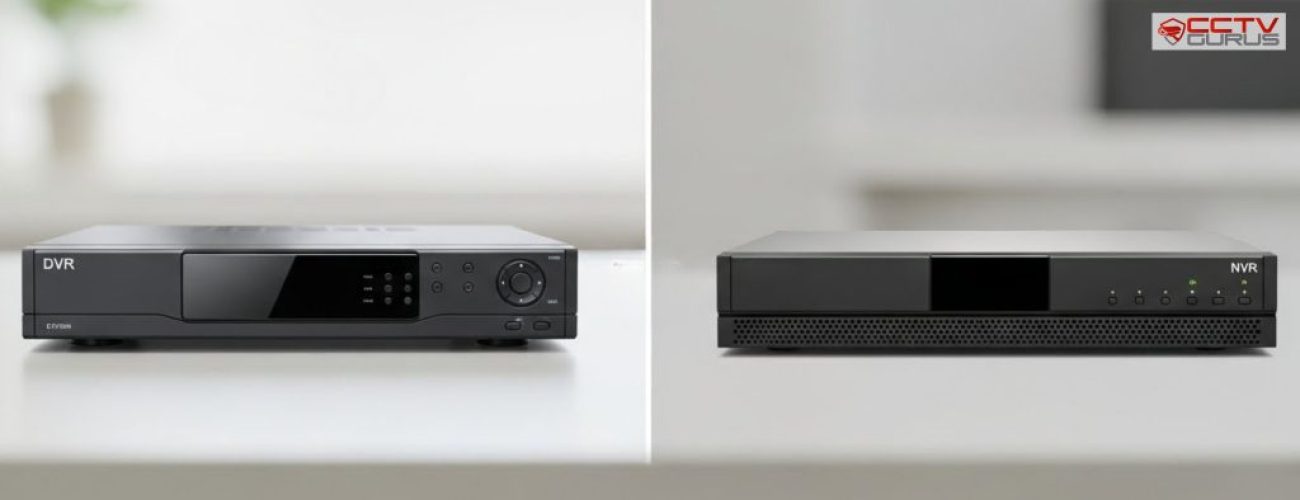
How DVR and NVR Systems Work Together
In some cases, businesses may want to integrate both DVR and NVR systems into a single surveillance setup. While these systems are different, there are ways to combine their strengths. For example, you might use NVR systems for high-resolution cameras in key areas like entry points or parking lots, while DVR systems can be used for monitoring internal spaces where lower resolution may suffice.
Hybrid systems offer flexibility and scalability without the need to replace entire systems. Integrating DVR and NVR systems requires careful planning and a clear understanding of how the systems will work together, particularly in terms of storage and network configuration.
Cost Considerations for DVR and NVR Systems
The initial cost of a DVR system tends to be lower than that of an NVR system. However, this does not mean the DVR system is always the most cost-effective option. While DVR systems may be cheaper upfront, NVR systems can provide long-term savings in terms of ease of expansion, better video quality, and more flexible installation options.
When considering costs, it’s important to factor in the total cost of ownership, which includes the initial purchase price, installation fees, maintenance, and ongoing upgrades. NVR systems may have a higher upfront cost, but they are often more cost-effective in the long run for businesses that need to scale.
Conclusion
Choosing between a DVR and NVR system depends on the specific needs of your property, the type of footage required, and the level of scalability you anticipate. DVR systems are more affordable and simple to use, making them ideal for smaller installations. However, NVR systems offer higher video quality, more flexibility, and easier expansion, making them the better option for larger or growing businesses.
For businesses looking to upgrade or expand their CCTV setup, Trusted CCTV Installation in Dubai ensures that you get the right system for your needs, with professional guidance and seamless integration. Whether you choose DVR or NVR, a well-installed and properly configured CCTV system will provide long-term security and peace of mind.