
Introduction
CCTV cameras are expected to operate continuously, providing constant visibility and recorded evidence for homes and businesses. When cameras suddenly stop working, it creates serious security gaps and operational concerns. Many users immediately assume complete system failure, even though the cause is often minor and can be easily fixed. Understanding why CCTV cameras fail is essential for restoring protection quickly and avoiding unnecessary replacement costs. This knowledge is especially important for properties that rely on CCTV Installation in Dubai, where uninterrupted surveillance plays a crucial role in ensuring safety, compliance, and smooth daily operations across residential and commercial spaces.
A CCTV system is not a single device but a combination of cameras, power sources, cabling, recorders, and network infrastructure working together. If one component fails, the entire system may appear offline. In many cases, problems develop slowly and provide warning signs before total failure occurs. Recognizing these early indicators allows users to act before security coverage is completely lost. This blog explains the real reasons CCTV cameras stop working and how each issue can be fixed systematically.
In this blog, you will learn why CCTV cameras commonly stop functioning, how infrastructure and installation issues contribute to failures, the impact of performance and scalability limitations, and how integration and maintenance affect reliability. The blog also explains practical steps to fix these problems, helping you restore surveillance quickly while ensuring long-term system stability and dependable security coverage.
Understanding Why CCTV Cameras Stop Working in Real Environments
CCTV cameras stop working most often due to a breakdown in one of the system’s supporting components rather than camera hardware itself. Power instability, signal interruption, recorder malfunction, or incorrect configuration can all cause cameras to appear offline. Without understanding how these elements interact, users may misdiagnose the problem and apply ineffective solutions. Identifying the real cause is the first step toward restoring system functionality efficiently.
Environmental conditions also play a major role in camera reliability. Heat, humidity, dust, and vibration gradually affect system components, especially in outdoor or industrial environments. Over time, this exposure weakens connections and internal circuitry. These effects are often invisible until performance suddenly drops. Understanding environmental impact helps users take preventive measures instead of reacting after failure occurs.
User behaviour can also contribute to system issues. Unplanned changes, incorrect settings, or ignored maintenance schedules increase the risk of failure. A clear understanding of system behaviour reduces accidental disruptions.
Infrastructure-Related Causes Behind CCTV Failures
Infrastructure issues are among the most common reasons CCTV systems stop working. Poor cabling, unstable power distribution, or weak networking foundations lead to frequent disruptions. Cables that are poorly routed or unprotected degrade faster and cause signal loss. Power sources shared incorrectly across devices can overload and shut down multiple cameras at once. These issues often originate during initial installation. Systems supported by Professional Structured Cabling Services in Dubai experience fewer infrastructure failures because cables are protected, organized, and properly terminated.
Structured cabling minimizes interference and simplifies troubleshooting. Without this foundation, even high-quality cameras may fail prematurely due to infrastructure weaknesses. Stable infrastructure ensures that cameras receive consistent power and uninterrupted signal transmission. Strengthening infrastructure is essential for long-term CCTV reliability.
Installation and Setup Mistakes That Cause Camera Failure
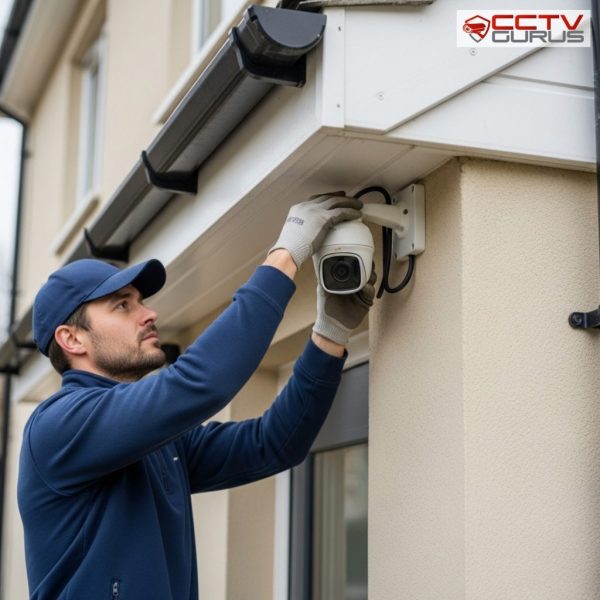
Incorrect installation is another major factor behind CCTV cameras stopping unexpectedly. Cameras installed at improper angles, poorly secured mounts, or incorrect heights may suffer physical strain or environmental exposure. Loose mounts can shift over time, affecting focus and connectivity. Improper grounding can also lead to electrical instability. Configuration errors during setup also contribute to failure.
Disabled channels, incorrect recording schedules, or wrong network parameters can make cameras appear non-functional even when the hardware is intact. Firmware updates sometimes reset settings, requiring manual review. Careful installation and verification prevent many of these issues. Proper setup ensures cameras operate as designed from the beginning.
Performance and Reliability Issues Over Time
Performance degradation often occurs gradually in CCTV systems. Cameras may begin showing delayed feeds, reduced image quality, or intermittent disconnections before failing. These symptoms indicate underlying issues such as overheating, bandwidth congestion, or aging components.
Recorders and storage devices also affect performance. Overloaded recorders struggle to process multiple high-resolution feeds, causing cameras to drop offline. Storage devices nearing end-of-life may stop recording without warning. Monitoring system performance regularly allows users to detect these issues early and apply corrective action before total failure occurs.
Scalability and Expansion-Related Failures
CCTV systems often fail after expansion if scalability was not planned correctly. Adding cameras without upgrading power capacity, storage, or network bandwidth overloads the system. This results in cameras disconnecting or stopping recording entirely.
Wired systems may suffer from cable limitations, while network-based systems experience congestion. Expansion must be planned with infrastructure upgrades in mind to avoid performance collapse. Proper scalability planning ensures that system growth does not compromise reliability or security coverage.
Integration Issues With Other Security Systems
CCTV systems frequently integrate with access control, alarms, and monitoring platforms. When integration settings change without coordination, cameras may stop recording or displaying correctly. Systems connected to Access Control System Installation solutions may experience conflicts if permissions or triggers are altered incorrectly.
Similarly, environments using Audio Visual System Integration may face synchronization issues if display or control configurations change. Integration requires consistent management across platforms. Understanding integration dependencies prevents accidental disruptions and ensures seamless system operation.
Maintenance and Long-Term Management Factors
Lack of maintenance significantly increases the likelihood of CCTV failure. Dust accumulation, loose connections, outdated firmware, and aging power components gradually reduce reliability. Without routine checks, small issues escalate into complete system outages.
Scheduled maintenance allows users to clean lenses, inspect cables, verify power stability, and update software safely. Maintenance is especially important in harsh environments where wear occurs faster. Consistent long-term management preserves system performance and prevents unexpected downtime.
Cost and Security Impact of CCTV Downtime
When CCTV cameras stop working, the cost extends beyond repair expenses. Downtime increases security risk, reduces accountability, and may lead to compliance issues. Businesses may face operational losses or liability exposure during unmonitored periods.
Preventive maintenance and proper installation cost far less than recovering from security incidents caused by system failure. Investing in reliability delivers long-term value. Reliable CCTV operation protects both assets and peace of mind.
Conclusion
CCTV cameras stop working due to infrastructure weaknesses, installation mistakes, performance degradation, scalability issues, integration conflicts, and poor maintenance. Understanding these causes allows users to troubleshoot accurately instead of replacing functional equipment unnecessarily. Proactive management, structured cabling, stable power distribution, and regular system audits significantly reduce failure risk and ensure continuous surveillance coverage.
When systems are implemented and maintained through Trusted CCTV Installation in Dubai, users benefit from expert planning, durable infrastructure, and professional support. With proper care and integration, CCTV systems remain reliable, scalable, and effective for long-term security needs.