
Introduction
CCTV cameras play a crucial role in home security, but like any electronic system, they can develop issues over time. Homeowners often face problems such as cameras going offline, blurry footage, recording failures, or connectivity errors. These issues can be frustrating, especially when the system is relied upon for safety and peace of mind. Understanding how to troubleshoot and fix common CCTV camera problems at home helps users restore system functionality quickly without unnecessary panic. This knowledge is particularly valuable for homeowners using CCTV Installation in Dubai, where reliable surveillance is essential due to varied property layouts and environmental conditions.
Many CCTV problems arise from simple causes such as loose connections, incorrect settings, or environmental factors. Homeowners often assume that a system failure means expensive repairs or replacement, when in reality the issue may be minor. Learning how to identify and address these problems empowers users to take control of their security systems.
This blog explains how to fix common CCTV camera problems at home. It covers power issues, connectivity problems, video quality concerns, recording failures, and system maintenance in detail, helping homeowners keep their systems running smoothly.
CCTV Camera Not Powering On
One of the most common issues homeowners face is a CCTV camera that does not power on. This problem often leads users to believe the camera is faulty, but in many cases, the cause is related to power supply issues. Loose power adapters, damaged cables, or faulty outlets can prevent cameras from receiving electricity. Checking the power source is always the first step when troubleshooting this issue.
Environmental factors can also affect power delivery. Exposure to moisture, heat, or dust can damage power components over time. Outdoor cameras are especially vulnerable if power connections are not properly protected. Inspecting power cables and connectors helps identify visible damage that may interrupt power flow. Ensuring a stable power supply improves camera reliability. Replacing damaged adapters or using surge protection can prevent future power-related issues.
CCTV Camera Showing No Signal or Offline Status
Another common problem is cameras showing a no-signal message or appearing offline in the monitoring interface. This issue is often related to connectivity rather than camera failure. Loose video cables, incorrect channel assignments, or network disruptions can cause cameras to disconnect from the system.
For wired systems, checking cable connections between the camera and recorder is essential. Even slightly loose connectors can interrupt the video signal. For network-based systems, internet connectivity and router status should be verified. Systems supported by Advanced Data Networking Services are typically more resilient, but home networks may still experience interruptions. Restarting the camera and recorder often resolves temporary connectivity issues. Consistent connection checks help maintain stable system operation.
Blurry or Distorted CCTV Footage
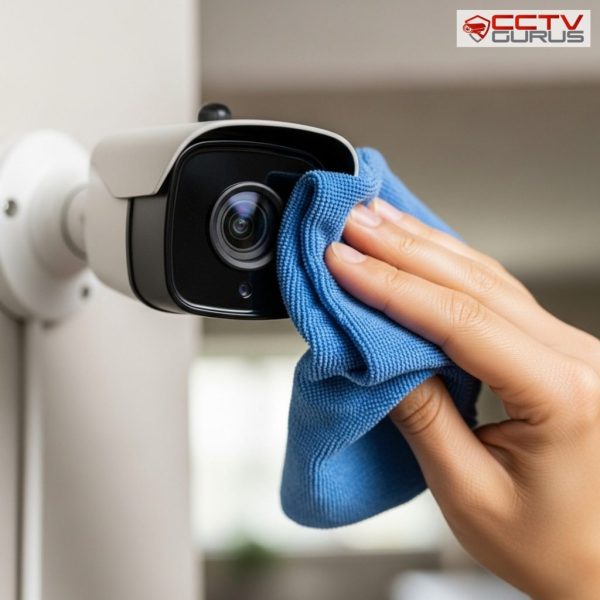
Blurry or distorted footage reduces the usefulness of CCTV cameras and can make identifying details difficult. This problem is often caused by dirty lenses, incorrect focus, or poor lighting conditions. Homeowners should inspect camera lenses regularly to remove dust, dirt, or moisture that can affect image clarity.
Improper camera angle can also contribute to poor footage quality. Cameras facing strong light sources or reflective surfaces may produce glare or washed-out images. Adjusting the camera angle helps improve image balance and clarity. Resolution and recording settings should also be reviewed. Incorrect configuration can lower image quality even if the camera hardware is functioning correctly.
Night Vision Not Working Properly
Night vision issues are common in home CCTV systems, especially in outdoor environments. Infrared LEDs may fail to activate due to sensor issues, improper settings, or physical obstruction. Homeowners should check whether night mode is enabled in the system settings.
Environmental factors such as nearby reflective surfaces can interfere with infrared illumination, causing white glare or reduced visibility. Adjusting camera placement or removing obstructions improves night vision performance. Regular testing during low-light conditions ensures night vision functions correctly when needed most.
CCTV Camera Recording Problems
Recording failures are among the most concerning CCTV issues because they result in missing footage. These problems often stem from storage limitations, incorrect recording settings, or recorder malfunction. Homeowners should check storage capacity regularly to ensure space is available for new recordings.
Recording modes such as continuous or motion-based recording should be reviewed. Incorrect scheduling or sensitivity settings may prevent recordings from being saved. Ensuring proper configuration helps avoid gaps in footage. Recorder health is also important. Overheating or aging storage devices can affect recording reliability.
Mobile App or Remote Viewing Issues
Many homeowners rely on mobile applications for remote monitoring, and connection issues can be frustrating. These problems often result from network instability, incorrect app configuration, or outdated software. Ensuring the camera system is connected to a stable internet connection is critical for remote access.
Application updates and firmware upgrades help maintain compatibility. Systems integrated with Audio Visual System Integration platforms often require consistent updates to ensure smooth operation across devices. Testing remote access regularly helps identify issues before they become critical.
Motion Detection Not Working Correctly
Motion detection problems can result in either missed events or excessive false alerts. Incorrect sensitivity settings are often the cause. Homeowners should adjust sensitivity levels to match the environment and reduce unnecessary triggers.
Environmental factors such as moving shadows, pets, or foliage can interfere with motion detection. Adjusting detection zones helps focus monitoring on relevant areas. Proper configuration ensures motion detection enhances security rather than creating frustration.
Cable and Connection Issues Over Time
Cabling issues can develop gradually due to wear and environmental exposure. Damaged or bent cables can cause intermittent signal loss or degraded video quality. Regular inspection helps identify these issues early.
Homes that use Professional Structured Cabling Services in Dubai benefit from organized cable layouts that reduce long-term damage and simplify troubleshooting. Even in home setups, proper cable management improves reliability. Replacing damaged cables promptly prevents further system issues.
Integration Issues With Other Security Systems
Home CCTV systems may be integrated with alarms or entry management solutions. Problems can arise when configurations are changed without proper coordination. Systems connected to an Access Control System Installation may experience issues if credentials or triggers are misconfigured.
Ensuring system settings remain synchronized prevents integration failures. Reviewing configurations after updates or changes helps maintain compatibility. Integration awareness improves overall system stability.
Preventive Maintenance for Home CCTV Systems
Preventive maintenance helps avoid many common CCTV problems. Regular cleaning, connection checks, and configuration reviews improve system reliability. Maintenance should be scheduled periodically rather than performed only when problems occur.
Environmental protection for outdoor cameras extends equipment lifespan. Proper housing and weatherproofing reduce exposure-related damage. Consistent maintenance reduces unexpected failures and improves system performance.
When to Seek Professional Support
While many CCTV issues can be fixed at home, some problems require professional expertise. Complex wiring issues, recorder failures, or network configuration problems may exceed basic troubleshooting.
Professionals can diagnose problems quickly and ensure systems are restored without compromising security. Seeking help early prevents further damage and downtime. Professional support ensures long-term reliability and peace of mind.
Conclusion
Fixing common CCTV camera problems at home requires patience, observation, and a structured troubleshooting approach. Most issues are caused by simple factors such as power interruptions, loose connections, incorrect settings, or environmental conditions. By understanding these causes and addressing them promptly, homeowners can restore system functionality without unnecessary stress.
When home surveillance systems are maintained and supported through Trusted CCTV Installation in Dubai, they benefit from better reliability, easier troubleshooting, and long-term performance. Proper setup, regular maintenance, and informed troubleshooting ensure CCTV systems continue protecting homes effectively over time.