
Introduction
Installing CCTV cameras at home has become an essential step for homeowners who want better control over their security and peace of mind. With increasing concerns around safety, many families are choosing to install surveillance systems that allow them to monitor entrances, outdoor areas, and shared indoor spaces. Home CCTV installation is no longer limited to luxury properties; it is now a practical solution for apartments, villas, and townhouses alike. A well-planned home CCTV installation ensures that cameras provide useful coverage rather than simply acting as decorative devices mounted on walls.
Unlike commercial setups, home CCTV systems must balance security with comfort and privacy. Cameras should be placed strategically so they monitor important areas without intruding on personal living spaces. Many homeowners make the mistake of installing cameras without understanding angles, lighting conditions, or system configuration, which often results in blind spots or poor footage quality. Learning how home CCTV systems work and how they should be installed helps avoid these common problems.
This complete guide explains how to install CCTV cameras at home step by step, covering planning, placement, wiring, configuration, and long-term reliability. It is written to help homeowners understand the full process clearly, whether they plan to install the system themselves or want to be more informed before hiring professionals.
Planning Your Home CCTV Installation
Proper planning is the foundation of a successful home CCTV installation. Before selecting cameras or drilling holes, homeowners should clearly define what they want to monitor. This includes identifying entry points such as doors and windows, outdoor areas like driveways or gardens, and indoor spaces that may require visibility. Planning helps ensure that cameras are installed with a purpose rather than randomly placed, which often leads to wasted coverage.
Another important part of planning is understanding the home’s layout and lighting conditions. Natural light, artificial lighting, and nighttime visibility all affect how cameras perform. Cameras placed directly against strong light sources may capture washed-out footage, while poorly lit areas may require night-vision support. Planning camera locations with lighting in mind improves image clarity and reduces the need for frequent adjustments later.
Planning should also consider future expansion. Many homeowners start with a few cameras and later add more. Thinking ahead allows space for additional cameras, recorders, or integrations with other systems. Homes that later add features such as a Most Advanced Access Control System Installation benefit greatly when CCTV planning accounts for future upgrades.
Choosing the Right CCTV Cameras for Home Use
Selecting the right type of CCTV camera is crucial for effective home surveillance. Indoor and outdoor environments require different camera designs, and homeowners should avoid using a single camera type for all areas. Indoor cameras focus on clarity and discreet design, while outdoor cameras are built to withstand weather, dust, and temperature changes.
Camera resolution also plays a significant role in footage quality. Higher resolution cameras provide clearer images, making it easier to identify faces or objects. However, higher resolution also requires more storage and processing capacity. Homeowners should choose a resolution that balances clarity with system performance, especially if multiple cameras are installed.
Field of view is another important consideration. Cameras with wider viewing angles cover larger areas but may reduce detail at a distance. Narrow-angle cameras provide more detail but cover smaller areas. Choosing the correct combination ensures comprehensive coverage. Proper camera selection reduces blind spots and improves overall system effectiveness.
Installing Cameras in the Right Locations
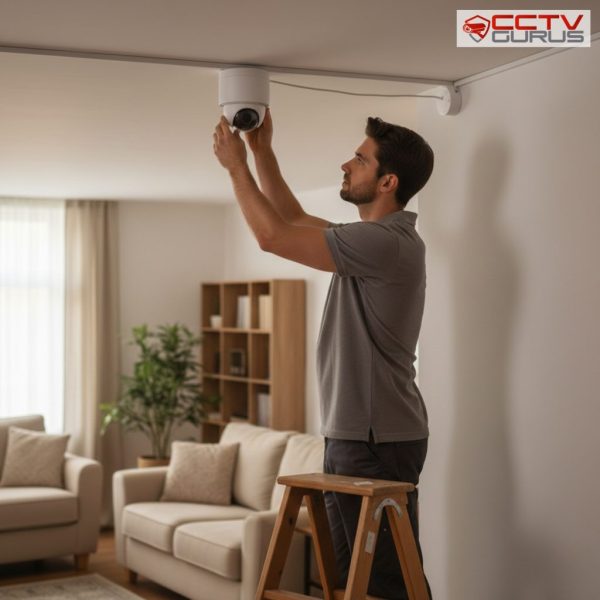
Camera placement directly affects how useful the recorded footage will be. Cameras should be installed at heights that prevent tampering while still capturing clear views of faces and movements. Mounting cameras too high often results in footage that lacks detail, while placing them too low increases the risk of damage or obstruction.
Outdoor cameras should focus on entrances, driveways, and boundary areas. Indoor cameras are best placed in common areas such as living rooms or hallways rather than private spaces. Careful placement respects privacy while maintaining security. Homeowners should always consider how camera placement affects daily comfort.
Before finalizing mounting positions, it is helpful to temporarily position cameras and test their view. This allows adjustments before permanent installation. Testing angles and coverage ensures that cameras capture meaningful activity rather than empty walls or unnecessary areas.
Wiring, Power, and Connectivity Considerations
Power and connectivity are often overlooked during home CCTV installation, yet they play a major role in system reliability. Cameras require a stable power source, and improper wiring can cause frequent disconnections or recording failures. Planning cable routes early helps avoid exposed wires or messy installations.
In modern homes, CCTV systems often rely on network connectivity to communicate between cameras and recorders. Systems supported by Advanced Data Networking Services in Dubai ensure smooth data transmission, reduced interference, and stable performance. Proper networking is especially important when cameras are accessed remotely or integrated with other home systems.
Cable quality and routing also matter. Homes that use Professional Structured Cabling Services in Dubai benefit from organized, protected cabling that reduces signal loss and simplifies maintenance. Good cabling practices improve system lifespan and reliability.
Setting Up the Recording and Monitoring System
The recording device is the heart of the home CCTV system. It receives video feeds from cameras, stores footage, and allows homeowners to view recordings when needed. The recorder should be placed in a secure and well-ventilated area to prevent overheating and unauthorized access.
Initial setup involves configuring camera channels, recording schedules, and storage options. Homeowners should set the correct date and time to ensure accurate footage logs. Choosing the right recording mode, such as continuous or motion-based recording, affects storage usage and footage retention.
Monitoring options vary depending on system design. Some homeowners use dedicated monitors, while others rely on mobile devices or computers. Homes with Complete Audio Visual System Integration often centralize CCTV feeds with other display systems, making monitoring more convenient and organized.

Testing and Fine-Tuning the Home CCTV System
Testing is a critical step that ensures the CCTV system works as expected. After installation, homeowners should test live viewing, recording playback, and motion detection features. Testing during both day and night conditions helps identify lighting-related issues.
Fine-tuning camera settings improves footage quality. Adjusting brightness, contrast, and sensitivity helps cameras adapt to their environment. Minor adjustments at this stage prevent long-term issues and improve reliability.
Testing should be repeated periodically. Changes in lighting, furniture placement, or surroundings can affect camera performance over time. Regular testing ensures continued effectiveness and peace of mind.
Privacy, Ethics, and Home CCTV Usage
Home CCTV installation should always consider privacy and ethical use. Cameras should not be positioned to monitor private areas such as bedrooms or bathrooms. Respecting personal boundaries ensures comfort and avoids conflicts within households.
Outdoor cameras should be positioned carefully to avoid capturing neighbouring properties unnecessarily. Clear communication with family members about camera locations and purpose helps maintain trust. Responsible CCTV usage ensures that security improvements do not come at the cost of personal comfort or privacy.
Long-Term Maintenance and Home CCTV Reliability
Installing CCTV cameras is not a one-time task. Long-term reliability depends on regular maintenance and system checks. Dust, weather, and physical movement can affect camera performance over time.
Homeowners should periodically clean lenses, inspect cables, and review recordings to ensure everything is functioning properly. Firmware updates may also be required to maintain compatibility and security. Consistent maintenance ensures that the system remains dependable when it is needed most.
Conclusion
Installing CCTV cameras at home requires careful planning, correct placement, reliable wiring, and thoughtful configuration. A well-installed system provides clear footage, dependable monitoring, and long-term peace of mind. Skipping steps or rushing the process often leads to poor coverage, unreliable recordings, and unnecessary frustration.
When home surveillance systems are expanded or supported through CCTV system integration services, they become easier to manage, more scalable, and more reliable. Proper planning, professional-grade infrastructure, and informed installation choices ensure that home CCTV systems deliver consistent protection for years to come.