
Introduction
CCTV systems are widely used across residential and commercial properties, yet many users rely on them without fully understanding how they operate. Cameras record continuously, footage is stored somewhere, and monitoring happens when needed, but the underlying process involves several interconnected components working together in real time. When these components are misunderstood or poorly configured, system performance suffers. This is why understanding CCTV fundamentals is essential, especially when a system is implemented as part of a Complete CCTV Installation rather than a basic camera setup.
For beginners, CCTV technology can feel overwhelming due to technical terms, system variations, and different installation approaches. However, when broken down step by step, CCTV systems follow a logical workflow. Knowing how cameras capture footage, how data travels, where recordings are stored, and how users access information helps property owners make informed decisions. This knowledge also improves communication with technicians and ensures systems are used and maintained correctly over time.
In this blog, the focus is on explaining how CCTV systems work from start to finish, covering each core component, how they interact, and how a complete system functions as a reliable security solution for homes and businesses.
What is a CCTV System Really?
A CCTV system, or closed-circuit television system, is designed to capture video and transmit it within a controlled environment. Unlike public broadcasting systems, CCTV footage is accessible only to authorized users. This closed structure allows footage to remain private and secure.
At a functional level, a CCTV system captures visual data, converts it into electronic signals, transfers those signals to a recording device, and stores them for monitoring or playback. Each stage relies on proper configuration and infrastructure. If any component is weak or improperly installed, system reliability declines.
CCTV Cameras and How They Capture Footage
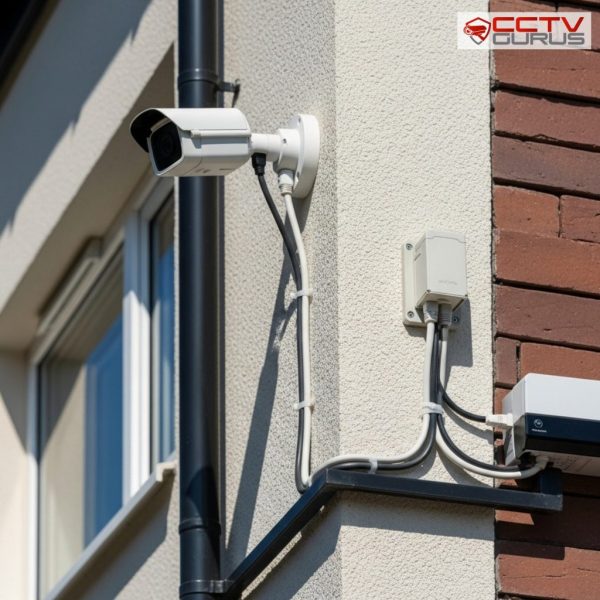
Cameras are the entry point of any CCTV system. They use image sensors to capture light and convert it into digital or analog signals. The quality of this capture depends on sensor size, lens quality, and environmental conditions.
Different cameras serve different purposes. Fixed cameras monitor specific areas continuously, while adjustable cameras provide wider coverage. Indoor cameras focus on controlled environments, while outdoor cameras are built to withstand heat, dust, and weather exposure. Selecting the correct camera type ensures footage remains clear and consistent.
How Video Signals Move Through the System
Once footage is captured, it must travel from the camera to the recording unit. This transmission happens through cabling or network connections. Traditional systems use coaxial cables, while modern systems rely on network-based transmission.
The stability of this connection determines video quality. Poor cabling, interference, or weak infrastructure can cause delays, distortion, or dropped footage. Structured cabling and properly configured data networking ensure signals move smoothly and consistently across the system.
Recording Devices and Their Responsibilities
Recording devices act as the system’s control center. They receive video feeds from cameras and manage how footage is stored and accessed. These devices determine whether footage is recorded continuously, on motion detection, or during scheduled periods.
Because recording devices operate constantly, they require proper ventilation, stable power, and correct configuration. Misconfigured recording systems often overwrite footage too quickly or fail to store critical recordings when needed.
Storage Systems and Footage Retention
Storage capacity determines how long footage is retained. Higher resolution cameras, longer recording hours, and multiple feeds increase storage requirements significantly. Without proper planning, systems may run out of space unexpectedly.
Secure storage protects footage from unauthorized access and accidental deletion. Well-configured storage systems ensure footage is retained according to security needs and regulatory requirements. Proper storage planning is essential for reliable surveillance.

Live Monitoring and Viewing Explained
Live viewing allows users to see what cameras are recording in real time. This function relies on stable connectivity and responsive software. Live monitoring may occur through local monitors or secure remote applications.
Smooth live viewing depends on network stability, processing power, and system configuration. Delays or buffering reduce effectiveness, especially during incidents. Proper setup ensures real-time visibility without disruption.
Motion Detection and Smart Recording Features
Modern CCTV systems often include motion detection capabilities. These systems analyze changes between video frames to identify movement. When movement meets defined criteria, recording is triggered, or alerts are sent.
Incorrect configuration leads to false alerts caused by shadows, light changes, or environmental movement. Understanding motion detection helps users fine-tune sensitivity settings for accurate detection and reliable alerts.
Power Supply and System Continuity
CCTV systems require continuous power to operate. Cameras, recorders, and network devices depend on stable electricity. Power fluctuations can cause cameras to reboot or recordings to stop unexpectedly. Backup power solutions help maintain surveillance during outages. Stable power management protects data integrity and ensures continuous operation during critical periods.
Integration With Other Security Components
CCTV systems often function alongside access control systems and audiovisual systems. Integration allows cameras to work in coordination with entry logs and communication systems.
For example, access events can trigger camera recordings, providing context during reviews. Integration enhances situational awareness and improves overall security response.
User Access and System Control
User permissions determine who can view live feeds, access recordings, or change system settings. Controlled access protects sensitive footage and prevents misuse. Modern systems offer user-friendly interfaces that allow efficient monitoring, playback, and export of footage. Understanding system controls ensures responsible usage and data protection.
Maintenance and Long-Term Performance
CCTV systems require ongoing maintenance to remain effective. Cameras may shift, lenses may collect dust, and software may become outdated. Without maintenance, performance declines gradually. Routine checks ensure cameras remain aligned, storage functions correctly, and networks remain stable. Maintenance preserves long-term reliability and system effectiveness.
Common Beginner Misconceptions
Many beginners believe higher resolution alone guarantees better security. In reality, placement, lighting, and system configuration matter just as much. Others assume storage is unlimited or that cameras function independently. Understanding these misconceptions helps users set realistic expectations and plan systems effectively.
Why System Design Is More Important Than Equipment
Advanced equipment alone does not guarantee performance. Proper system design ensures components work together efficiently. Professionals design systems based on environment, usage, and future needs. This design-focused approach reduces errors, improves reliability, and ensures long-term value.
How All Components Work Together
Cameras capture footage, networks transmit data, recording devices store information, and software manages access. Each component depends on the others. When properly configured, the system functions as a unified security solution. Balanced system design ensures smooth operation, consistent recording, and reliable monitoring.
Conclusion
Understanding how CCTV systems work provides clarity and confidence for both homeowners and businesses. When users know how cameras capture footage, how data travels, and how recordings are stored and accessed, they are better prepared to operate and maintain their systems effectively. This knowledge reduces misuse, prevents avoidable failures, and supports informed decision-making throughout the system’s lifespan.
When implemented as part of a Complete CCTV Installation, all components are designed to work together seamlessly. This structured approach ensures stable performance, reliable recordings, and long-term security for residential and commercial properties alike, delivering surveillance systems that perform consistently and protect what matters most.