
Introduction
Installing CCTV cameras has become more accessible than ever. With ready-made kits, mobile apps, and online tutorials, many homeowners and small business owners consider setting up surveillance on their own. For basic monitoring needs, DIY installation can appear practical and cost-effective. However, security systems are not only about attaching cameras to walls. The quality of installation determines whether footage is reliable, systems remain stable, and security goals are actually achieved. This is where the difference between casual setup and professional expertise becomes clear, especially when working with CCTV Installation Experts.
DIY installation works best when expectations are realistic and technical limitations are understood. Simple camera placements may cover a small area, but complex environments demand planning, network stability, and compliance awareness. Knowing what can be handled independently and when expert intervention is required helps avoid costly mistakes and long-term performance issues.
In this blog, the focus is on identifying the aspects of CCTV installation that can be reasonably completed without professional help, where DIY efforts often fall short, and when consulting an expert becomes essential for ensuring security, reliability, and compliance.
What DIY CCTV Installation Can Handle
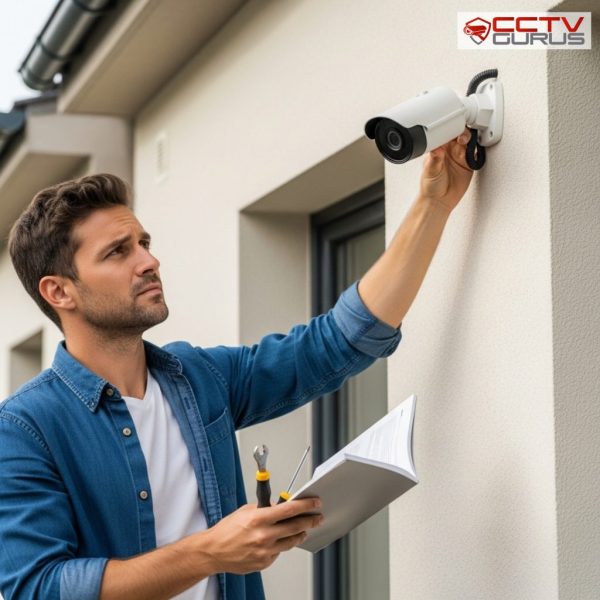
DIY CCTV installation can be suitable for small-scale setups with limited coverage requirements. Basic camera kits often include mounting accessories, pre-configured settings, and mobile applications that simplify the process.
Typical DIY-friendly tasks include:
- Mounting a small number of cameras in low-risk areas
- Connecting cameras to a local power source
- Using mobile apps for basic live viewing
- Setting up motion alerts for simple monitoring
For apartments, small shops, or temporary surveillance needs, these setups can provide a basic level of visibility. DIY systems work best when environmental conditions are stable, lighting is consistent, and camera placement is straightforward.
Understanding the Limits of DIY Placement
Camera placement plays a major role in surveillance effectiveness. DIY installations often rely on convenience rather than strategy. Cameras may be placed where wiring is easy instead of where coverage is most effective.
Poor placement can result in:
- Blind spots near entrances or corners
- Glare from lights or windows
- Limited visibility at night
- Incomplete coverage of high-risk zones
Professionals evaluate movement patterns, lighting changes, and field-of-view angles before finalizing placements. Without this planning, even high-resolution cameras may fail to capture useful footage.
Wiring and Power Challenges in DIY Installations
Many DIY systems use plug-and-play wiring or wireless connections. While this simplifies installation, it can also introduce reliability issues. Exposed cables, weak power sources, and unstable connections are common problems.
Structured cabling is rarely addressed in DIY setups. Improper wiring can lead to signal interference, disconnections, or early equipment failure. These issues may not appear immediately but often surface over time, reducing system reliability.
Network and Connectivity Considerations
DIY CCTV systems often depend on existing home or office networks. Without proper configuration, video feeds can overload bandwidth, cause lag, or disconnect during peak usage.
Data networking plays a critical role in surveillance performance. Professionals configure networks to prioritize video traffic, secure connections, and maintain stable access. DIY setups may work initially, but struggle under continuous use or expansion.
Where DIY Installation Becomes Risky
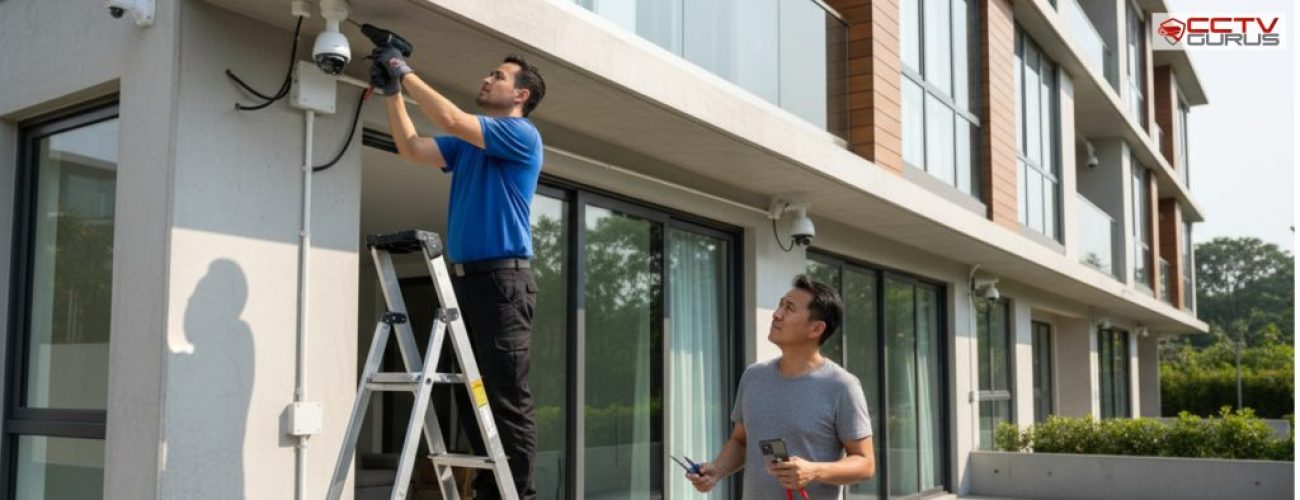
DIY installation becomes risky when surveillance requirements grow beyond basic monitoring. Larger properties, multiple entry points, or commercial environments demand advanced planning and technical expertise.
High-risk DIY scenarios include:
- Installing cameras in large commercial spaces
- Integrating surveillance with access control systems
- Managing multiple cameras across different zones
- Ensuring compliance with local regulations
In these cases, errors can compromise security and lead to legal or operational issues.
Legal and Compliance Awareness
Surveillance systems must comply with local regulations, especially in Dubai. DIY installers may not be aware of placement restrictions, recording guidelines, or data storage requirements.
Non-compliant installations can result in penalties or forced system modifications. Professional installers understand these regulations and ensure systems meet legal standards from the beginning.
Integration With Other Security Systems
Modern security systems rarely operate alone. CCTV often works alongside access control systems, audio-visuals, and alarm mechanisms. DIY systems cannot typically integrate smoothly with these technologies.
Professionals ensure different systems communicate effectively, creating a unified security framework. This integration improves monitoring accuracy and response efficiency during incidents.
Image Quality and Performance Optimization
DIY systems often rely on default camera settings. While functional, these settings may not be optimized for specific environments. Factors such as lighting variation, movement speed, and distance affect footage quality.
Professionals adjust camera parameters to deliver clear images under varying conditions. This optimization becomes critical when footage is needed for investigations or documentation.
Maintenance and Long-Term Reliability
DIY installations usually lack structured maintenance plans. Over time, cameras may shift, wiring may degrade, or software updates may be ignored. These issues reduce system effectiveness and increase failure risk.
Professional installations often include maintenance support, ensuring systems remain aligned, updated, and operational. Regular inspections help detect issues early and prevent downtime.
When Calling an Expert Makes Sense
Professional assistance becomes essential when surveillance needs exceed basic monitoring. Experts provide planning, compliance assurance, and technical reliability that DIY efforts cannot match.
Situations that require professional involvement include:
- Multi-camera commercial installations
- Properties with complex layouts or lighting challenges
- Systems requiring integration with structured cabling and data networking
- Environments where uptime and compliance are critical
Expert involvement ensures the system functions correctly from day one.
Balancing DIY and Professional Support
Some property owners choose a hybrid approach. DIY installation may handle simple camera mounting, while professionals manage system configuration, cabling, and optimization. This balance can reduce costs while maintaining performance. However, even hybrid setups benefit from professional guidance during planning stages. Expert input helps avoid mistakes that are costly to correct later.
Security Confidence Comes From Proper Installation
A surveillance system is only effective when it works consistently. DIY setups may provide temporary visibility, but professional installation delivers reliability and confidence. Well-installed systems deter incidents, support accountability, and protect assets. Clear footage, stable connections, and compliant configurations create a security environment that users can trust.
Conclusion
DIY CCTV installation can work for simple, low-risk needs, but it has clear limitations. As surveillance requirements grow, technical complexity increases, and compliance becomes essential, professional expertise becomes unavoidable. From structured cabling and network stability to system integration and performance optimization, CCTV Installation Experts provide the planning and reliability that DIY setups cannot guarantee. Choosing the right approach ensures security systems deliver protection, clarity, and confidence over the long term.